

Tanzania Cultural Tour – The Datoga Tribe
EXPLORING THE DATOGA TRIBE: TANZANIA’S ANCIENT BLACKSMITHS AND GUARDIANS OF TRADITION
Deep in the remote regions of Northern Tanzania, amidst the vast savannahs and rugged landscapes near Lake Eyasi,
lives one of Africa’s most fascinating indigenous communities — the Datoga Tribe. Known for their remarkable blacksmithing skills,
distinctive cultural identity, and centuries-old traditions, the Datoga (also called Tatoga or Mang’ati) are a living window into East Africa’s ancient heritage.
For travelers seeking authentic cultural encounters in Tanzania, meeting the Datoga offers more than just a tour — it’s a journey into the heart of a people
who have resisted the pull of modernity and preserved their way of life for generations.
WHO ARE THE DATOGA?
The Datoga are semi-nomadic pastoralists and skilled blacksmiths believed to have migrated to Tanzania over 3,000 years ago from
the highlands of Ethiopia and Sudan. They are part of the Nilotic ethnic group, closely related to the Maasai and other pastoral tribes,
but have their unique customs, language, and identity.
The Datoga’s main occupation historically has been herding cattle, goats, and sheep, which they consider a symbol of wealth and social status.
Unlike the Maasai, however, the Datoga are also renowned metalworkers — transforming scrap metal into essential tools, spearheads, arrow tips, and beautiful jewelry.
APPEARANCE AND CLOTHING
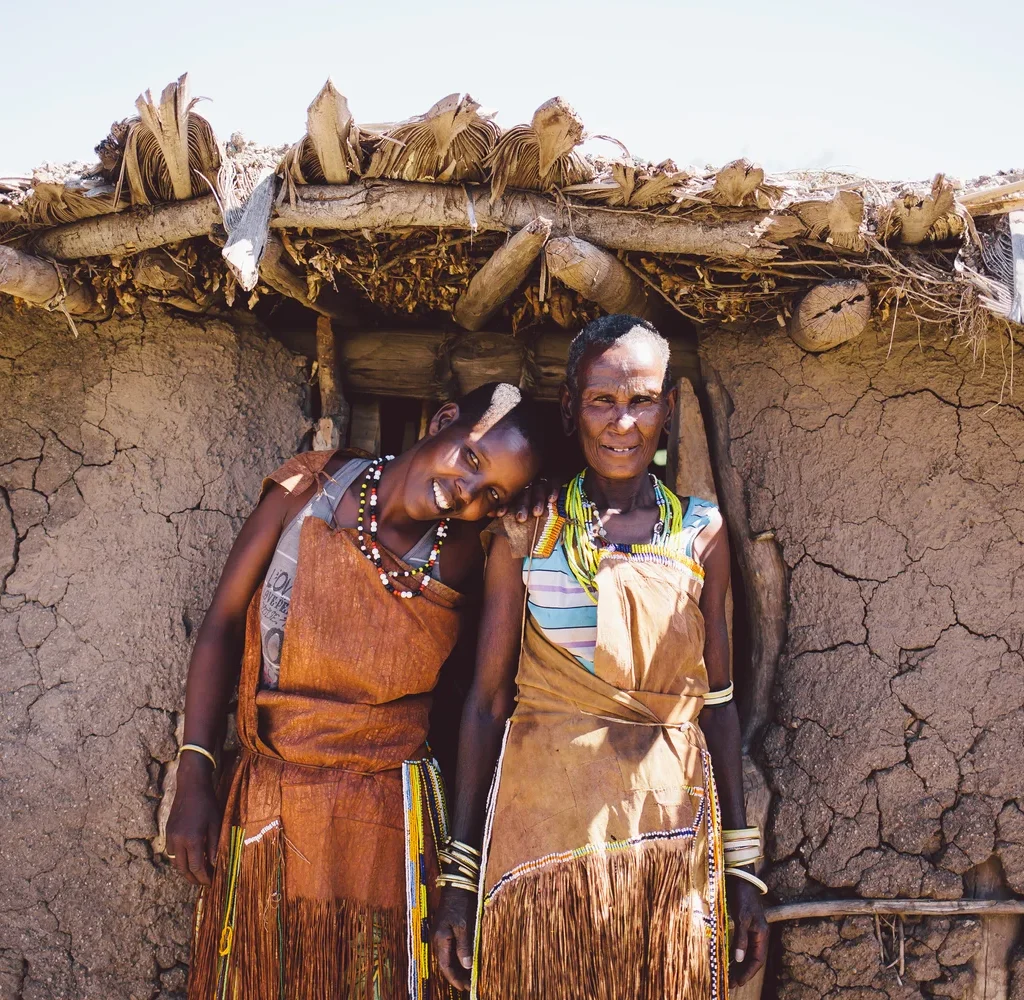
– Men and women often wear brown or reddish-brown garments made from animal hides or cloth, blending into the earthy tones of the savannah.
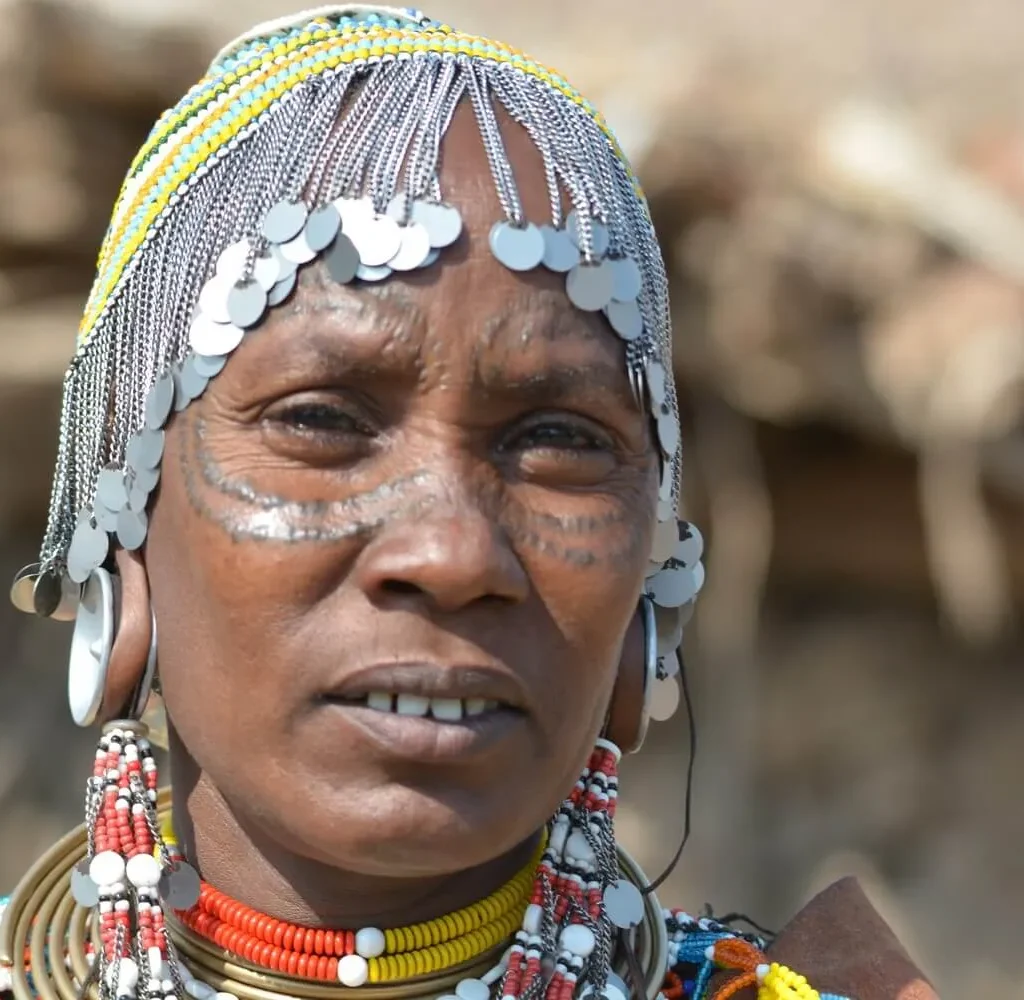
– Jewelry includes beaded necklaces, brass bracelets, and intricate metal ornaments made by their own hands.
– Many Datoga women have fine facial scarification — decorative patterns carved into the skin as a sign of beauty and identity.
– Braided hairstyles, sometimes decorated with beads, reflect age, marital status, and tribal pride.
LANGUAGE AND COMMUNICATION
The Datoga speak Datoga (Tatooga), a Nilotic language with several dialects. Many also speak Swahili for trade and interaction with neighboring tribes.
Their oral traditions are rich with songs, proverbs, riddles, and ancient myths, keeping history alive for younger generations.

BLACKSMITHING: THE DATOGA’s TIMELESS SKILL
Blacksmithing is central to the Datoga identity. Using primitive yet effective tools, the men melt down old metal
(often collected from discarded car parts or farming equipment) to create:
- Spears and arrowheads (often traded with the Hadzabe hunter-gatherers
- Knives, hoes, and farming tools
- Decorative jewelry such as earrings and anklets
They use hand-pumped bellows to keep the fire blazing and hammer the glowing metal into shape — a craft passed down from father to son for countless generations.
RELATIONSHIP WITH THE HADZABE
The Datoga share the Lake Eyasi region with the Hadzabe bushmen, one of the last hunter-gatherer tribes in the world.
They trade metal arrowheads for wild honey, meat, and animal hides, maintaining an ancient barter system that benefits both communities.
SPIRITUAL AND CULTURAL BELIEFS
- Many Datoga follow animist beliefs, honoring ancestors and nature spirits.
- Certain elders act as healers using herbal medicine.
- Rituals mark life stages, from initiation ceremonies for boys to beauty celebrations for girls reaching womanhood.
MORE INTERESTING FACTS ABOUT THE DATOGA TRIBE
1. Excellent trackers — experts at reading animal footprints and environmental signs.
2. Earthy tones in clothing are believed to offer protection and connection to the land.
3. Almost all metal is recycled from discarded objects.
4. Storytelling nights pass down wisdom and history.
5. Seasonal migration to find fresh grazing land.
6. Strong warrior culture defending their cattle.
7. Living museums of African tradition.
8. Resilient to change despite tourism influences.

LEGENDS AND STORIES FROM THE DATOGA
One famous legend tells of a Datoga blacksmith blessed by the spirits with the ability to shape unbreakable spearheads.
His weapons were said to give hunters great success.
Another oral story speaks of a great migration guided by the stars. The Datoga believe their ancestors followed
a particular constellation to find the fertile lands of present-day Tanzania.
CHALLENGES IN THE MODERN WORLD
- Pressure on grazing lands from expanding agriculture.
- Younger generations drawn to cities, risking loss of traditional skills.
- Climate change is affecting water and pasture availability.
- Cultural tourism provides a way to support them while encouraging heritage preservation.
VISITING THE DATOGA TRIBE
A cultural tour to Lake Eyasi offers:
- Watching blacksmith demonstrations.
- Learning beadwork and leatherwork from women.
- Exploring Datoga bomas (homesteads).
- Sharing meals made from milk, maize, and meat.
- Participating in tribal dances and songs.
Tip: Always ask for permission before taking photographs, and consider purchasing crafts directly to support the community.

RECOMMENDED ACCOMMODATION NEAR LAKE EYASI & DATOGA VILLAGES
1. Ziwani Lodge — Luxury eco-lodge with stunning views of Lake Eyasi.
2. Tindiga Tented Camp — Mid-range tented rooms with bush ambiance.
3. Lake Eyasi Safari Lodge — Spacious cottages with gardens and a pool.
4. Kisima Ngeda Tented Camp — Elegant tented camp with top service.
5. Eyasi Safari Lodge — Affordable and comfortable with easy tour access.
Booking tip for MJ Safaris & Adventure customers: Stay 1- 2 nights to fully enjoy Datoga and Hadzabe cultural experiences without rushing.
WHY THE DATOGA SHOULD BE ON YOUR TANZANIA ITINERARY
The Datoga offer a raw, authentic, and humbling cultural experience beyond wildlife safaris.
They remind us that heritage is living within communities that keep ancient knowledge alive. For travelers with MJ Safaris & Adventure,
combining a visit to the Datoga with the Hadzabe and Lake Eyasi landscapes creates one of the most immersive cultural tours in East Africa.