

Best Kilimanjaro Routes for Your Climb
Compare all Kilimanjaro climbing routes and find the perfect path for your adventure. Our expert guides help you choose from 7 different trails based on your experience and time. Each route offers unique views and challenges on your way to Africa’s highest peak. Book your Kilimanjaro climb with local specialists who guarantee your safety and success.
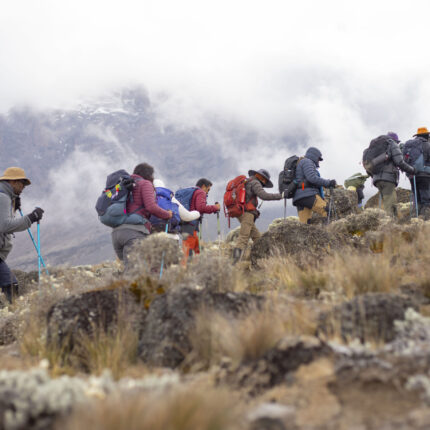
Crossing all part of mount kilimanjaro

Offering nearly 360 degrees of beautiful scenery
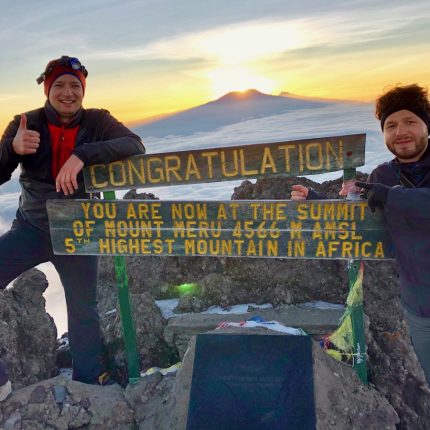
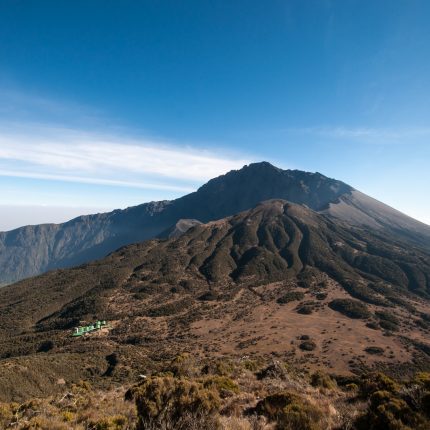
Mount Meru is located in Tanzania and is the fifth highest mountain in Africa

Lemosho route is the most scenic route to climbing kilimanjaro
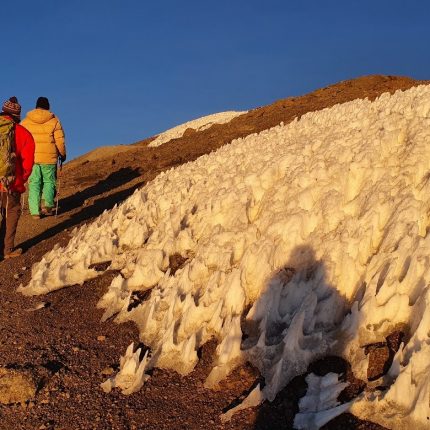
Machame route is best for acclimatization since …
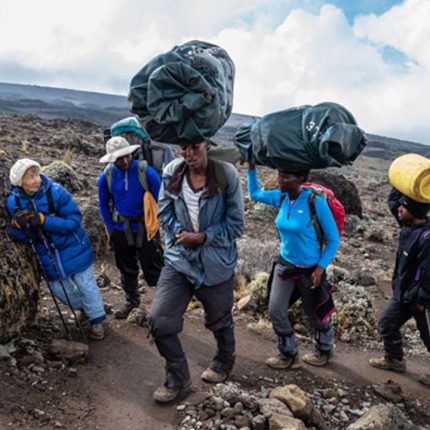
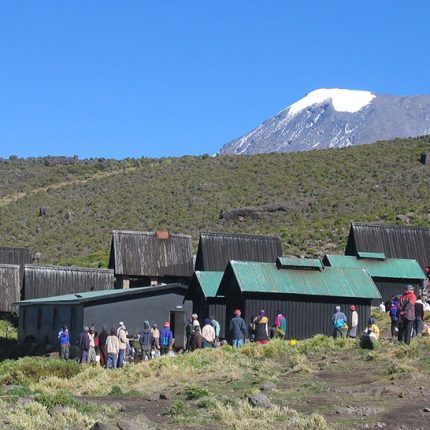
5 days Marangu Route is the easiest way of hiking


The Shira Route approaches Mount Kilimanjaro

The Shira Route approaches Mount Kilimanjaro

Lemosho Route is one of the prettiest routes on Mount Kilimanjaro
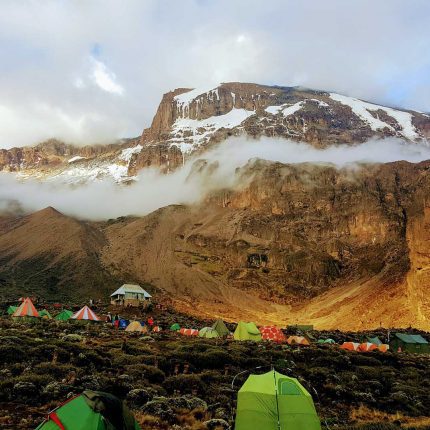

6 Days Hiking Mount Kilimanjaro through Marangu Route
What our customers say





Frequently Ask Questions (FAQ’s)
Kilimanjaro is climbable all year round. The best months to climb are December-March, and September-October, which are the warmest and driest months. The next best are June to August, but they are colder. July, August, and September are the busiest months.
Summiting on or soon after a full moon is very beautiful and helps illuminate the landscape without using headlamps. However, it is also very bright for sleeping and stars are not as visible.
Temperatures range from 25 to 30 degrees Celsius at the foot of the mountain and -15 to -20 degrees Celsius on top plus wind chill. Lower down, it can be wet and humid, but higher up, there can be snow. Rain and snow may be encountered any time of the year! See our Weather page for more details.
It requires no technical climbing experience, and any moderately fit person can summit the mountain. However, for most people, it is the most difficult thing they have ever done.
Your decision will depend on where you want to sleep and the hiking distance each day and number of days of each route. On the Marangu Route, you sleep in huts with simple beds, while on all the other routes, you sleep in tents. There are two main routes on the mountain: the Marangu and Machame. You may also want to consider the Rongai Route as it is far less traveled. The Lemosho Route is a good choice if you want a longer route (8+ days). None of these routes are technical.
It will depend on the route you pick and your pace. It can take from 4-8 hours to reach the summit from the high camp.
Always remember to maintain a slow, steady pace from beginning to end. Going slowly allows the body to acclimatize while hiking. Those who start out too quickly will have troubles higher up the mountain as the body will be overexerted. This still holds true if you are spending and extra day on the mountain. Drink lots of water and get lots of sleep.

Although the peak is located in Tanzania, the best views of it may be found just across the border in Kenya’s Amboseli National Park. But it is the opportunity to climb Kilimanjaro that has made this 5,896-meter peak so attractive. Kilimannjaro is climbed by around 20,000 people each year and requires no special training or specialized equipment.
Kilimanjaro is a strenuous walk that normally takes five days or more; to participate in a Kilimanjaro safari tour, you must be physically fit and mentally prepared, as well as have the appropriate high-altitude clothes and camping equipment. There are numerous approaches to the summit, each with its own level of difficulty, climbing time, and natural beauty.
The dry months of January, February, and September are always regarded to be the finest months to climb Kilimanjaro. July and August are equally pleasant, albeit a little cooler.
When you contact us about scheduling a Mount Kilimanjaro walk, we’ll recommend the best path for you and handle all of the details. To provide a complete Kilimanjaro safari experience, we can easily incorporate big game watching in adjacent parks and reserves.