

How Long Does It Take to Hike Mount Kilimanjaro?
How Long Does It Take to Hike Mount Kilimanjaro? A Complete Guide
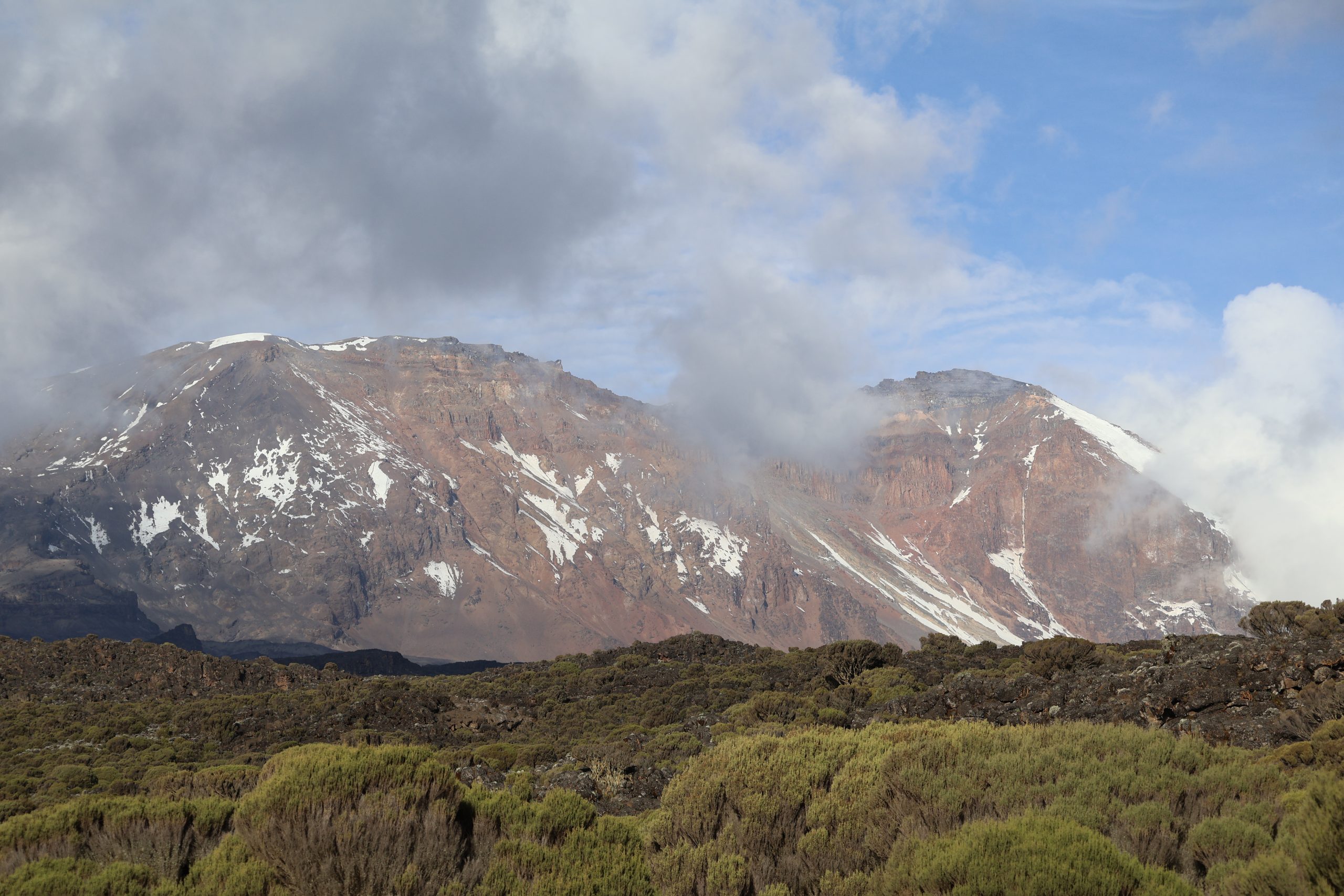
Standing majestically at 19,341 feet (5,895 meters) above sea level, Mount Kilimanjaro is Africa’s highest peak and one of the world’s most iconic mountains.
Located in northern Tanzania near the border with Kenya, this dormant volcano attracts thousands of adventurers annually,
all seeking to conquer its legendary summit, Uhuru Peak. But one of the most common questions prospective climbers ask is: “How long does it take to hike Mount Kilimanjaro?”
The answer isn’t straightforward, as several factors influence the duration of your Kilimanjaro adventure.
This comprehensive guide will break down everything you need to know about timing your ascent of the “Roof of Africa.”
Quick Answer: 5-9 Days on the Mountain
Most Kilimanjaro climbs take between 5 and 9 days, depending on the route you choose and your acclimatization needs.
However, when planning your trip, you’ll need to factor in additional time for travel, preparation, and potential rest days, making the total trip duration typically 10-14 days.
The Seven Main Routes and Their Durations
Kilimanjaro offers seven established routes to the summit, each with different characteristics, difficulty levels, and time requirements:
1. Marangu Route (5-6 Days)
Duration: 5 days minimum, 6 days recommended. Difficulty: Moderate Success Rate: 60-70%
Known as the “Coca-Cola Route,” Marangu is the only route offering hut accommodation instead of camping.
The 5-day option is quite challenging with limited acclimatization time, which is why the 6-day variant significantly improves your chances of success.
Daily Breakdown:
• Day 1: Marangu Gate to Mandara Hut (4-6 hours)
• Day 2: Mandara Hut to Horombo Hut (5-7 hours)
• Day 3: Horombo Hut to Kibo Hut (5-7 hours)
• Day 4: Summit attempt and descent to Horombo Hut (12-16 hours)
• Day 5: Horombo Hut to Marangu Gate (4-6 hours)
2. Machame Route (6-7 Days)
Duration: 6 days minimum, 7 days recommended. Difficulty: Moderate to Challenging Success Rate: 80-85%
The “Whiskey Route” is more demanding than Marangu but offers better acclimatization and spectacular scenery.
It’s the most popular route among experienced hikers.
3. Lemosho Route (7-8 Days)
Duration: 7-8 days Difficulty: Moderate to Challenging Success Rate: 85-90%
Considered one of the most scenic routes, Lemosho provides excellent acclimatization opportunities and has high success rates due to its longer duration.
4. Rongai Route (6-7 Days)
Duration: 6-7 days Difficulty: Moderate Success Rate: 75-80%
The only route approaching from the north (Kenyan side), Rongai, is less crowded and offers a unique perspective of the mountain.
5. Northern Circuit (8-9 Days)
Duration: 8-9 days Difficulty: Moderate Success Rate: 90-95%
The longest and newest route, offering the best acclimatization and the highest success rates.
It’s perfect for those who want to take their time and enjoy the journey.
6. Shira Route (6-7 Days)
Duration: 6-7 days Difficulty: Challenging Success Rate: 75-80%
Similar to Lemosho, but starts at a higher elevation, making the first day more challenging for acclimatization.
7. Umbwe Route (5-6 Days)
Duration: 5-6 days Difficulty: Very Challenging Success Rate: 60-70%
The steepest and most direct route, recommended only for very experienced hikers due to rapid elevation gain and limited acclimatization time.
Factors Affecting Your Climb Duration

1. Acclimatization Needs
The most critical factor determining your climb duration is proper acclimatization. Kilimanjaro’s elevation gain is substantial,
and your body needs time to adjust to decreasing oxygen levels. The golden rule is “climb high, sleep low” – longer routes that incorporate this principle
have significantly higher success rates.
2. Physical Fitness Level
While you don’t need to be an elite athlete, better fitness allows you to:
• Maintain a steady pace without exhaustion
• Handle longer hiking days more comfortably
• Recover faster between days
• Have more energy for the challenging summit day
3. Weather Conditions
Weather can significantly impact your timeline:
• Dry seasons (June-October, December-March): Generally faster progress with better trail conditions
• Wet seasons (April-May, November): Potentially slower progress due to muddy, slippery trails
4. Group Dynamics
If you’re climbing with a group, your pace will be determined by the slowest member. Solo climbers or smaller groups often have more flexibility in timing.
5. Route Selection
As outlined above, different routes require different time commitments. Shorter routes are more challenging due to rapid elevation gain, while longer routes provide better acclimatization.
The All-Important Summit Day
Regardless of your chosen route, summit day is the longest and most challenging part of your Kilimanjaro adventure. Here’s what to expect:
Start Time: Most summit attempts begin between midnight and 00:00 AM from your final camp (usually around 15,000 feet).

Duration: 12-16 hours total
• 6-8 hours ascending to Uhuru Peak
• 4-6 hours descending to your overnight camp
• 2-4 hours continuing descent to lower elevation (depending on route)
Why So Long? The final push involves:
• Extremely steep terrain
• Very slow pace due to altitude
• Frequent rest stops
• Challenging weather conditions (cold, wind, potential snow)
• Celebration time at the summit
• Careful descent on loose scree
Planning Your Total Trip Duration
When planning your Kilimanjaro adventure, consider these additional time requirements:
Pre-Climb (2-3 Days)
• Day 1: Arrive in Tanzania (Kilimanjaro International Airport or Arusha)
• Day 1-2: Rest, equipment check, briefing with tour operator
• Day 2-3: Final preparations, possible cultural activities
The Climb (5-9 Days)
• Your chosen route duration
Post-Climb (1-2 Days)

• Day 1: Rest and recovery in Moshi or Arusha
• Day 2: Safari extension or departure preparations
Optional Extensions
Many climbers combine their Kilimanjaro adventure with:
• Safari (3-7 days): Serengeti, Ngorongoro Crater, Tarangire
• Zanzibar Beach (3-7 days): Relaxation after your climb
• Cultural experiences: Maasai village visits, coffee plantation tours
Seasonal Considerations
January-March: Clear skies, colder temperatures, less crowded
April-May: Heavy rains, muddy trails, low visibility
June-October: Dry season, most popular, can be crowded
November: Short rains, unpredictable weather
December: Good weather, holiday crowds
Training Timeline
Your physical preparation should begin 3-6 months before your climb:
3-6 Months Prior:
• Build cardiovascular endurance
• Start regular hiking with a loaded backpack
• Focus on leg strength and core stability
1-3 Months Prior:
• Increase training intensity
• Practice hiking consecutive days
• Test all gear thoroughly
Final Month:
• Maintain fitness level
• Focus on recovery and injury prevention
• Finalize preparations
Success Rate vs. Duration
There’s a clear correlation between route duration and success rates:
• 5-day routes: 60-70% success rate
• 6-day routes: 70-80% success rate
• 7-day routes: 80-85% success rate
• 8-9 day routes: 85-95% success rate
The extra days allow for better acclimatization, reducing the risk of altitude sickness and increasing your chances of reaching Uhuru Peak.
Budget Considerations for Different Durations

Longer routes cost more due to additional:
• Guide and porter fees
• Park fees
• Food and accommodation
• Equipment rental
Typical Price Ranges:
• 5-6 day climbs: $1,500-2,500
• 7-8 day climbs: $2,200-3,500
• 8-9 day climbs: $2,800-4,000
Making Your Decision
When choosing your route duration, consider:
1. Experience Level: First-time high-altitude climbers should opt for longer routes
2. Available Time: Balance your schedule with success probability
3. Budget: Longer routes cost more but offer better value through higher success rates
4. Physical Condition: Be honest about your fitness level
5. Altitude Experience: Previous high-altitude experience can influence your choice
Final Recommendations
For the best balance of success rate, experience, and time investment, most experts recommend:
First-time climbers: 7-8 day routes (Machame, Lemosho, or Rongai)
Experienced hikers: 6-7 day routes if time is limited
Maximum success rate: 8-9 day Northern Circuit
Budget conscious: 6-day Marangu with extra acclimatization day
Finaly, Climbing Mount Kilimanjaro is a life-changing adventure that requires careful planning and realistic time expectations.

While it’s possible to reach the summit in as little as 5 days, allowing 7-8 days significantly improves your chances of success and enjoyment of this incredible journey.
Remember, reaching the summit is optional – coming down safely is mandatory. Choose a route duration that matches your experience level,
physical condition, and allows proper acclimatization. The memories of standing on the “Roof of Africa” will last a lifetime, making
the investment in adequate time truly worthwhile.
Whether you choose the challenging 5-day Marangu or the leisurely 9-day Northern Circuit, Mount Kilimanjaro will test your limits
and reward you with an experience unlike any other. Take your time, listen to your body, and enjoy every step of this extraordinary adventure.
Book Your Tanzanian Adventure Today!
Don’t miss out on this extraordinary experience. Contact us now to customize your Kilimanjaro climb and safari itinerary, and get ready for memories that will last a lifetime.