


Is Kilimanjaro a Difficult Climb
Climbing Mount Kilimanjaro is a dream for many adventure travelers, but one of the most common questions people ask is:
“Is Kilimanjaro a difficult climb?”
The short answer is yes but not for the reasons most people think.
Kilimanjaro is physically demanding, but it is not a technical mountain. to climb you don’t need ropes, ice axes, or previous mountaineering experience. Most healthy people with a reasonable level of fitness and the right preparation can successfully reach the summit.
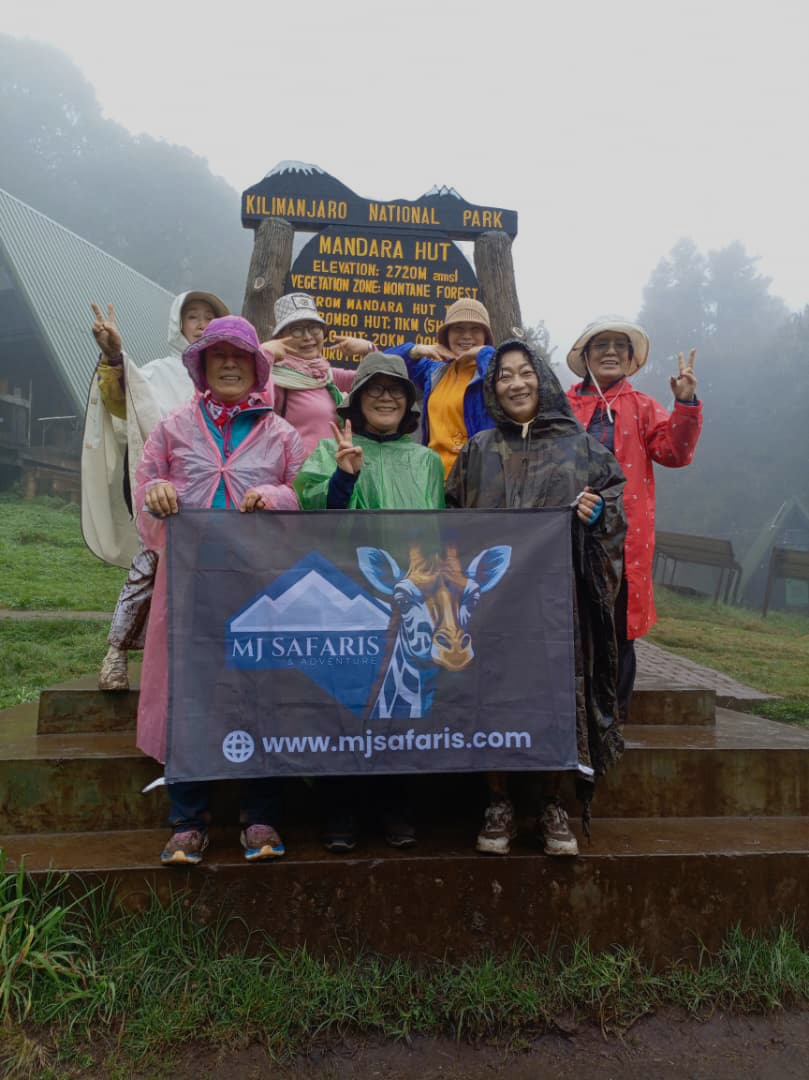
At MJ Safaris & Adventure, we guide climbers of all ages and experience levels to the Roof of Africa, helping them prepare for a safe and rewarding adventure.
Is Kilimanjaro a Technical Climb?
No.
Unlike mountains such as Everest or Mont Blanc, Kilimanjaro is a trekking mountain.
You do not need:
- Rock climbing experience
- Ice climbing skills
- Mountaineering equipment
- Technical climbing certifications
Instead, you’ll spend several days hiking on well-established trails through changing landscapes before reaching the summit.
What Makes Kilimanjaro Challenging?
The biggest challenge is altitude, not the hiking itself.
At 5,895 meters (19,341 feet), the air contains much less oxygen than at sea level. As you climb higher, your body needs time to adjust.
This is why even fit hikers can experience altitude sickness if they ascend too quickly.
Altitude Is the Biggest Obstacle
Some climbers may experience symptoms of Acute Mountain Sickness (AMS), including:
- Headache
- Fatigue
- Nausea
- Dizziness
- Difficulty sleeping
- Loss of appetite
The best way to reduce the risk is to:
- Choose a longer route
- Walk slowly
- Stay hydrated
- Listen to your guide
At MJ Safaris & Adventure, our guides monitor every climber throughout the trek and conduct regular health checks to help ensure your safety.
How Fit Do You Need to Be?
You don’t have to be an athlete, but you should have a good level of general fitness.
Before your climb, it’s recommended to:
- Walk or hike regularly
- Build cardiovascular endurance
- Strengthen your legs and core
- Practice carrying a light backpack
Training for 8–12 weeks before your trip can significantly improve your experience.
How Long Do You Walk Each Day?
On most routes, you’ll hike:
- 4–8 hours per day
- 10–15 hours on summit day
The pace is slow and steady, allowing your body to adapt to the altitude.
Your guides will often remind you to walk “Pole Pole,” which means “slowly, slowly” in Swahili.
Which Route Is the Easiest?
Some routes offer better acclimatization than others.
Lemosho Route
- 7–8 days
- Excellent acclimatization
- High summit success rate
- Ideal for first-time climbers
Northern Circuit Route
- 8–9 days
- Highest summit success rate
- Plenty of time to adjust to altitude
Machame Route
- 7 days recommended
- Scenic and popular
- Good acclimatization
Longer routes generally provide a better chance of reaching the summit because they allow more time for your body to adapt.
What Is Summit Night Like?
Summit night is often the most challenging part of the climb.
You’ll usually:
- Start around midnight
- Hike in cold temperatures
- Reach Uhuru Peak around sunrise
Although it is physically demanding, many climbers describe watching the sunrise from the summit as one of the most rewarding moments of their lives.
Mental Preparation Is Just as Important
Success on Kilimanjaro isn’t only about physical fitness.
A positive mindset helps you:
- Stay motivated
- Manage fatigue
- Keep a steady pace
- Push through challenging moments
Many successful climbers reach the summit because they remain patient and determined.
Tips to Make the Climb Easier
Choose a Longer Route
More acclimatization improves your chances of success.
Train Before Your Trip
Focus on hiking, endurance, and leg strength.
Pack Proper Clothing
Weather changes quickly on Kilimanjaro, so layered clothing is essential.
Stay Hydrated
Drink plenty of water throughout the climb.
Walk Slowly
A steady pace is far more effective than trying to climb quickly.
Listen to Your Guides
Their experience is invaluable in helping you reach the summit safely.
Why Choose MJ Safaris & Adventure?
MJ Safaris & Adventure offers:
- Experienced, certified mountain guides
- High summit success rates
- Safety-first climbing procedures
- Quality camping equipment
- Professional porter support
- Budget, mid-range, and luxury climbing packages
- Personalized pre-climb advice
Our team is dedicated to helping every climber enjoy a safe, comfortable, and memorable Kilimanjaro adventure.
Frequently Asked Questions
Can beginners climb Kilimanjaro?
Yes. Many first-time trekkers successfully reach the summit with proper preparation and an experienced guide.
Do I need climbing experience?
No. Kilimanjaro is a non-technical trek and does not require mountaineering experience.
What is the biggest challenge?
For most people, the greatest challenge is adjusting to the altitude rather than the hiking itself.
What is the best route for beginners?
The Lemosho Route and the Northern Circuit are excellent choices because they provide more time for acclimatization and have higher summit success rates.
Final Thoughts
So, is Kilimanjaro a difficult climb? Yes but it is a challenge that many ordinary people successfully complete every year.
With the right training, proper equipment, a well-planned itinerary, and experienced guides, climbing Mount Kilimanjaro is an achievable goal for most healthy and determined travelers.
At MJ Safaris & Adventure, we’re committed to helping you prepare, climb safely, and enjoy every step of the journey to Africa’s highest peak. Whether you’re an experienced hiker or taking on your first major trekking adventure, our expert team will be with you from your arrival in Tanzania to your unforgettable summit at Uhuru Peak.