Katavi National Park is the third (3rd) largest game parks in Tanzania and sits on an area of approximately 4,470km2 along the Southern Tanzania Safari Circuit. It is a well-conserved nature park that protects a unique variety of flora and fauna, and in order to protect its natural state, there are hardly any safari camps found there and also access to it is somewhat challenging to avoid instances of overcrowding it with tourists.
History of Katavi National Park
According to an old local tale, there is a Wabende spirit which is called ‘Katabi’ that resides in a tamarind tree next to Lake Katavi; and it’s from this that the park derived its name. The local people in this area still offer sacrifices at the base of this tamarind tree while seeking blessings.
Initially preserved in 1911 when the Germans settled there however this region was years later given the name ‘Rukwa Game Reserve’ during the British era up to 1932. a portion of more than 2,200 sq km of the land was in 1974,cut off from this reserve and proclaimed a national park and then the remaining bigger part was later gazetted in 1996, before being formally opened in 1998 with its current name – Katatvi National Park.
Katavi National Park topography
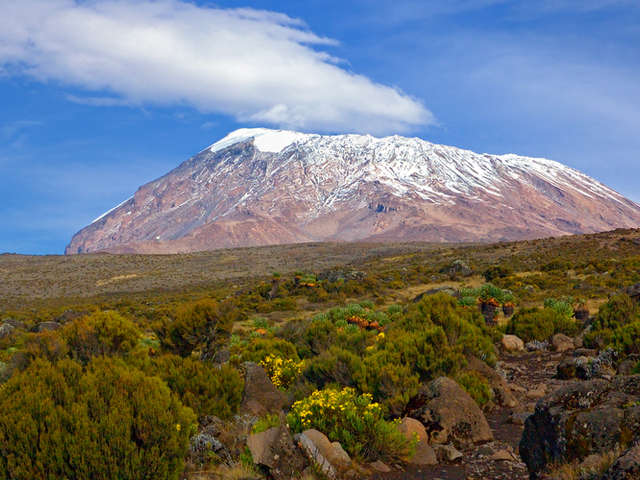
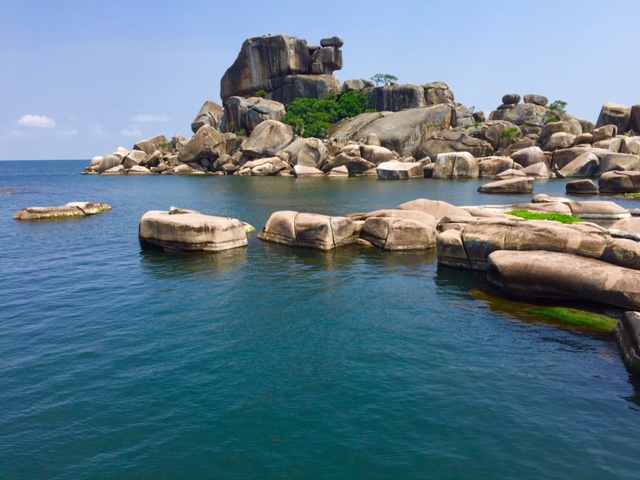
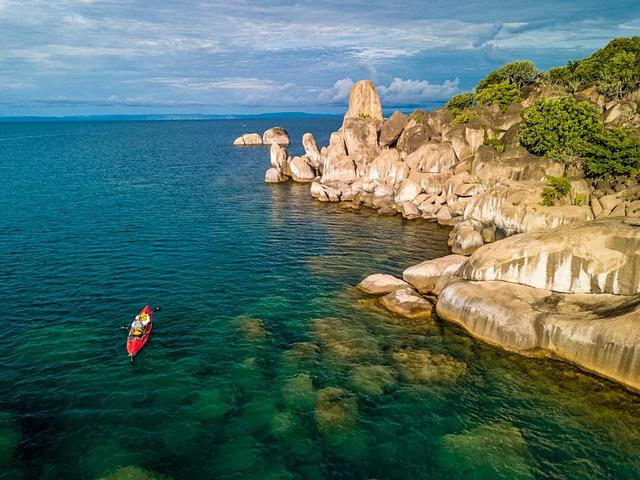
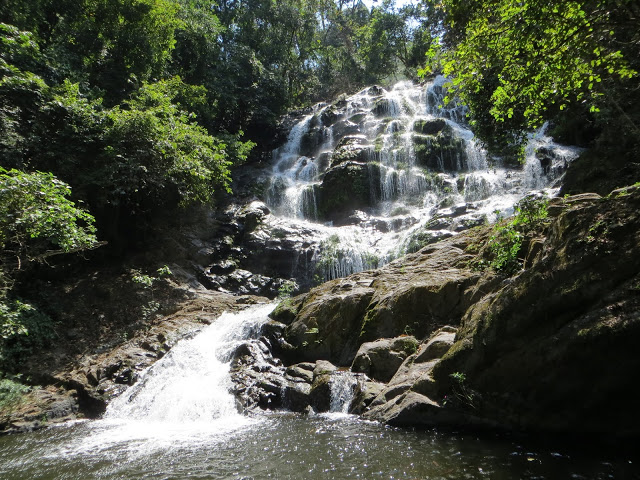
The Location of Katavi National Park in southwestern Tanzania is within Rukwa-Rift Basin that forms part of Central Africa’s Rift Valley and its terrain is comprised of vast grasslands, steep highland cliffs, floodplains, seasonal lakes, steep escarpments as well as scattered woodlands.
Wildlife in Katavi National Park
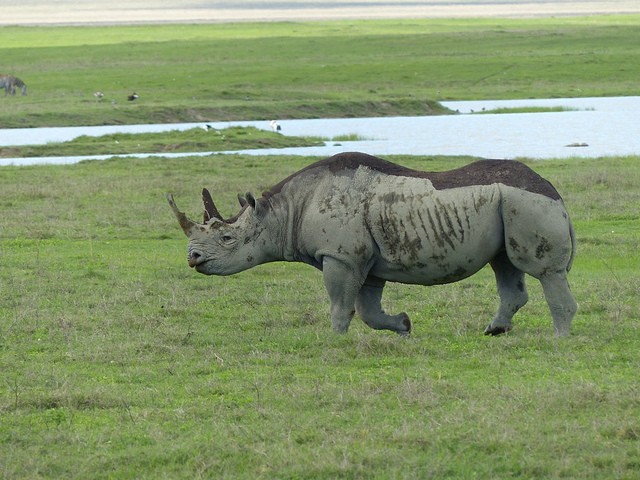
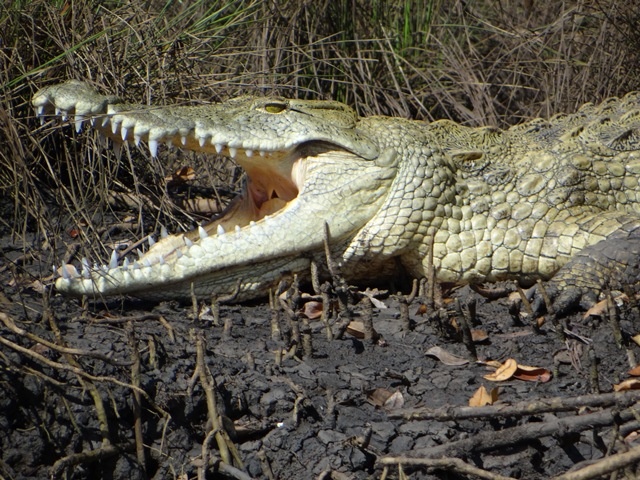
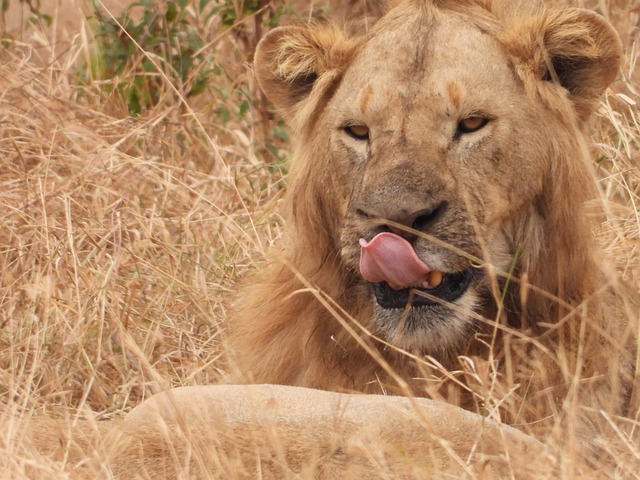
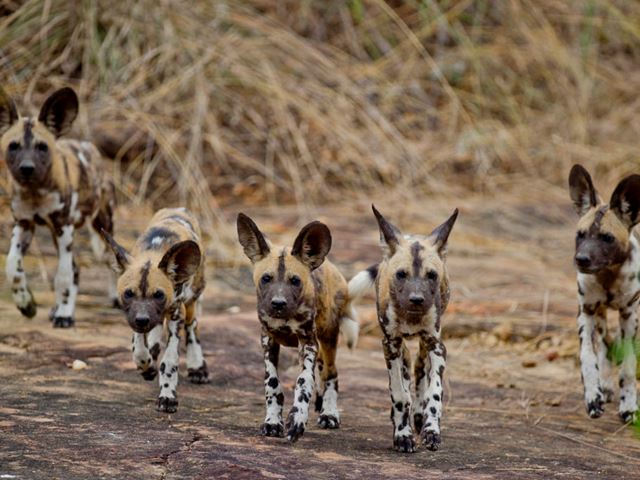
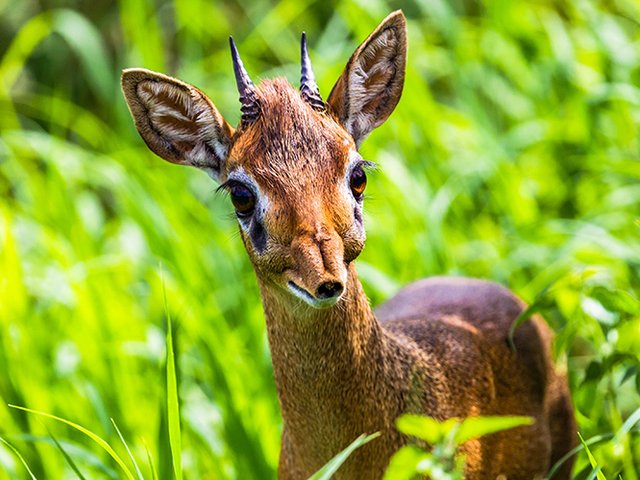
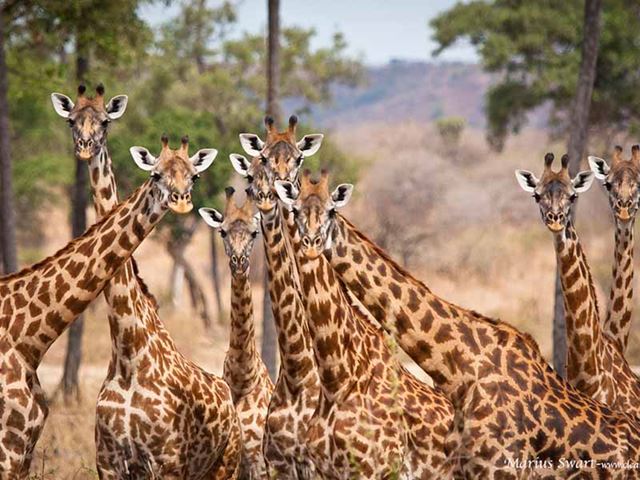
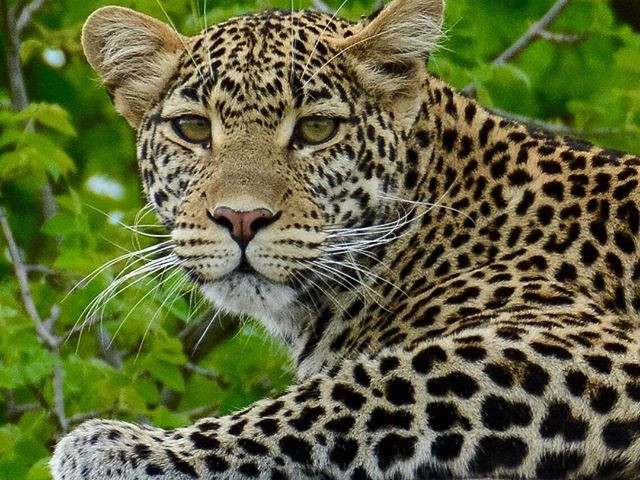
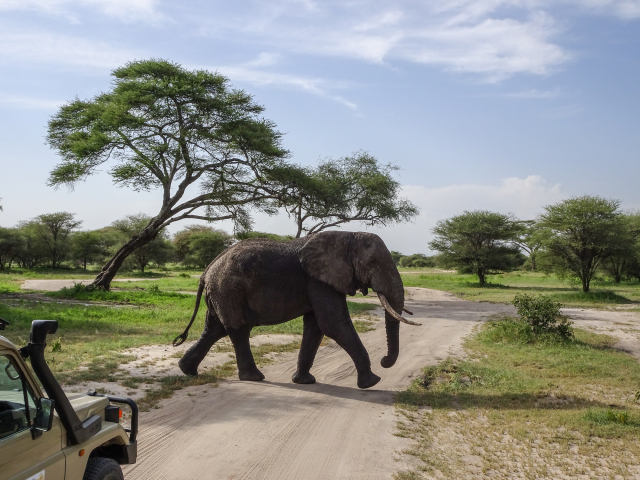
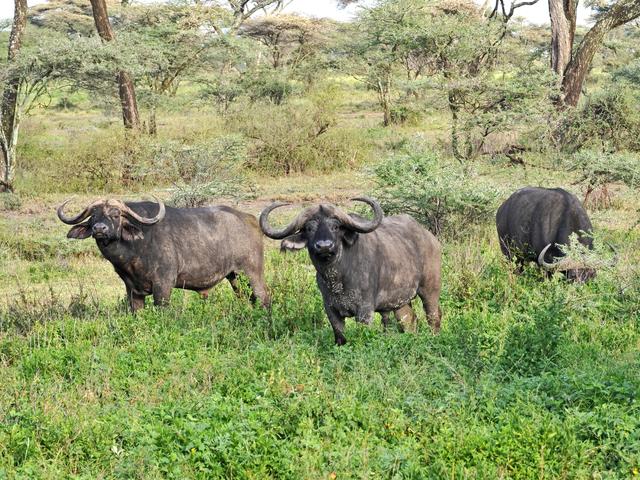
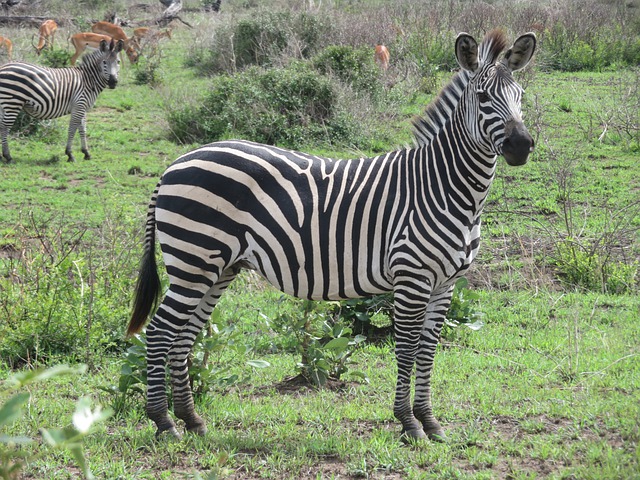
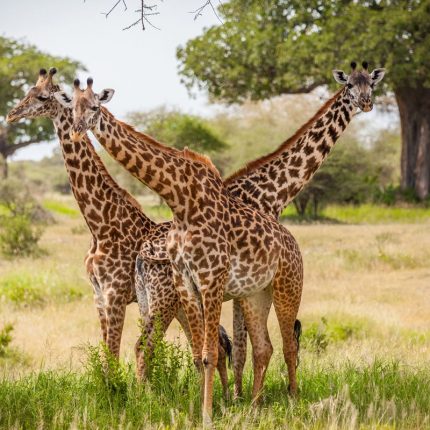
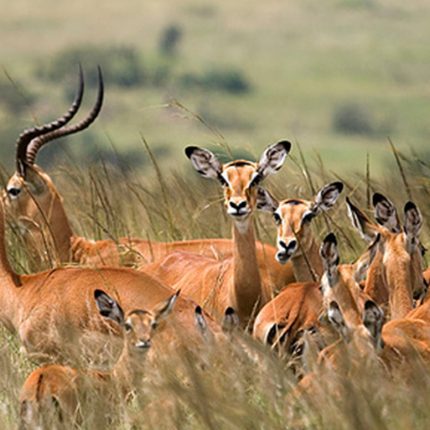
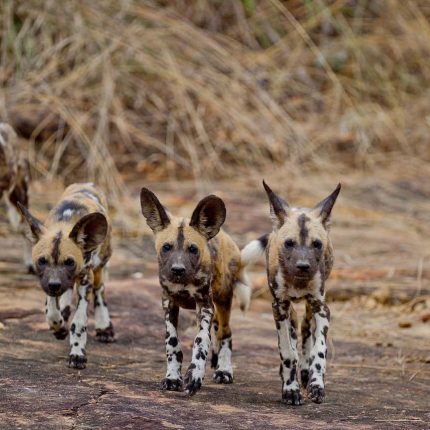
This park has diverse wildlife comprising of zebras, giraffes, large numbers of elephants, large populations of antelopes plus buffaloes. There are also a variety of predators residing in Katavi National Park such as cheetahs, leopards, wild dogs plus lions. It has a major river that cuts across its terrain, the Katuma River which is seasonal and in the dry season, it dries up leaving behind little muddy pools.
When you visit the park during this time, one of the common sightings are severe scuffles among the male hippos for territorial spaces that arise as a result of numerous hippos squeezing into the little pools.
When to visit | Best Time to go
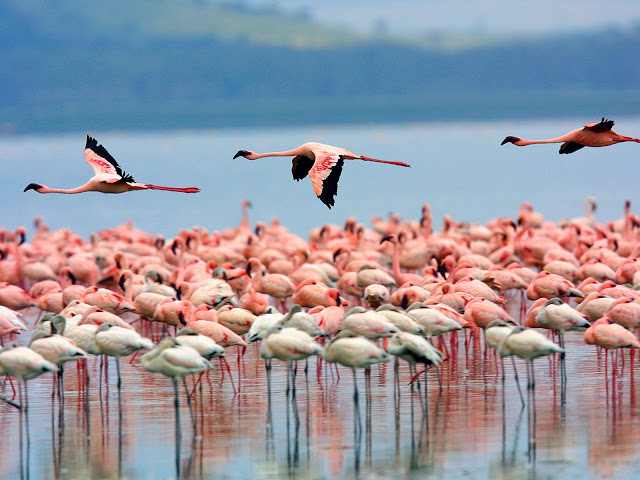
Katavi National Park provides amazing game viewing opportunities throughout the year however the peak season is in the dry season that runs from June to November or in December when the majority of the wildlife congregates around the few sources of water in the park. In the wet season, the floodplains transform into lakes and provide magnificent birdwatching chances.
How to get to Katavi National Park
You can access the park either by car or by air.
If you opt for road transport, your trip from Dar-es-Salaam will last two to three days however you will be able to see a number of sights as well as make a number of stopovers.
If you use air, which is the faster and more convenient way to reach Katavi National Park, you can book one of the scheduled flights from Dar-es-Salaam. You can also charter a flight.
Things to do | activities in Katavi National Park
Game Drives
The major activity that takes place in Katavi National Park is definitely game viewing which you can do either through guided walking safaris or game drives. The best part about game drives here is that you probably will not meet other people. These are conducted in the late afternoons as well as in the early mornings
Guided walking Tours
Another interesting activity here are the guided walking safaris which should be a must for any adventurous holidaymaker on a Tanzania safari since you really get to experience the sights, enjoy the aromas and sounds of the Tanzania’s wild Bushes at a closer range.
Cultural and Historic Tours
There are numerous places where you can get to experience the cultural plus historical aspects of Katavi National Park. Such places are iron age plus stone age sites as well as sacred sites including the Katabi Tree where according to local stories, the Wabende spirit ‘Katabi’ lives.
Fly camping
You can also go for fly camping. Fly camping is basically ‘bush camping’ that involves sleeping under basic tents (non-luxury) which are set-up in the wild to create a temporary campsite. There are no showers, fences or flush toilets in the area. It is truly experiencing the wild where you spend the day cooking over fire and your evenings sitting around a bon fire sharing stories while looking at the majestic starlit sky and enjoying the melodies of the wild plus the distant roars of Katavi’s fauna.
- Details
-
Katavi National Park is the third (3rd) largest game parks in Tanzania and sits on an area of approximately 4,470km2 along the Southern Tanzania Safari Circuit. It is a well-conserved nature park that protects a unique variety of flora and fauna, and in order to protect its natural state, there are hardly any safari camps found there and also access to it is somewhat challenging to avoid instances of overcrowding it with tourists.
History of Katavi National Park
According to an old local tale, there is a Wabende spirit which is called ‘Katabi’ that resides in a tamarind tree next to Lake Katavi; and it’s from this that the park derived its name. The local people in this area still offer sacrifices at the base of this tamarind tree while seeking blessings.
Initially preserved in 1911 when the Germans settled there however this region was years later given the name ‘Rukwa Game Reserve’ during the British era up to 1932. a portion of more than 2,200 sq km of the land was in 1974,cut off from this reserve and proclaimed a national park and then the remaining bigger part was later gazetted in 1996, before being formally opened in 1998 with its current name – Katatvi National Park.
Katavi National Park topography
The Location of Katavi National Park in southwestern Tanzania is within Rukwa-Rift Basin that forms part of Central Africa’s Rift Valley and its terrain is comprised of vast grasslands, steep highland cliffs, floodplains, seasonal lakes, steep escarpments as well as scattered woodlands.
Wildlife in Katavi National Park
This park has diverse wildlife comprising of zebras, giraffes, large numbers of elephants, large populations of antelopes plus buffaloes. There are also a variety of predators residing in Katavi National Park such as cheetahs, leopards, wild dogs plus lions. It has a major river that cuts across its terrain, the Katuma River which is seasonal and in the dry season, it dries up leaving behind little muddy pools.
When you visit the park during this time, one of the common sightings are severe scuffles among the male hippos for territorial spaces that arise as a result of numerous hippos squeezing into the little pools.
When to visit | Best Time to go
Katavi National Park provides amazing game viewing opportunities throughout the year however the peak season is in the dry season that runs from June to November or in December when the majority of the wildlife congregates around the few sources of water in the park. In the wet season, the floodplains transform into lakes and provide magnificent birdwatching chances.
How to get to Katavi National Park
You can access the park either by car or by air.
If you opt for road transport, your trip from Dar-es-Salaam will last two to three days however you will be able to see a number of sights as well as make a number of stopovers.
If you use air, which is the faster and more convenient way to reach Katavi National Park, you can book one of the scheduled flights from Dar-es-Salaam. You can also charter a flight.
- Attractions & Activities
-
Things to do | activities in Katavi National Park
Game Drives
The major activity that takes place in Katavi National Park is definitely game viewing which you can do either through guided walking safaris or game drives. The best part about game drives here is that you probably will not meet other people. These are conducted in the late afternoons as well as in the early mornings
Guided walking Tours
Another interesting activity here are the guided walking safaris which should be a must for any adventurous holidaymaker on a Tanzania safari since you really get to experience the sights, enjoy the aromas and sounds of the Tanzania’s wild Bushes at a closer range.
Cultural and Historic Tours
There are numerous places where you can get to experience the cultural plus historical aspects of Katavi National Park. Such places are iron age plus stone age sites as well as sacred sites including the Katabi Tree where according to local stories, the Wabende spirit ‘Katabi’ lives.
Fly camping
You can also go for fly camping. Fly camping is basically ‘bush camping’ that involves sleeping under basic tents (non-luxury) which are set-up in the wild to create a temporary campsite. There are no showers, fences or flush toilets in the area. It is truly experiencing the wild where you spend the day cooking over fire and your evenings sitting around a bon fire sharing stories while looking at the majestic starlit sky and enjoying the melodies of the wild plus the distant roars of Katavi’s fauna.
Book a Tour
Tanzania Safaris
You will visit Tarangire, Serengeti, Ngoro-Ngoro and Lake Manyara
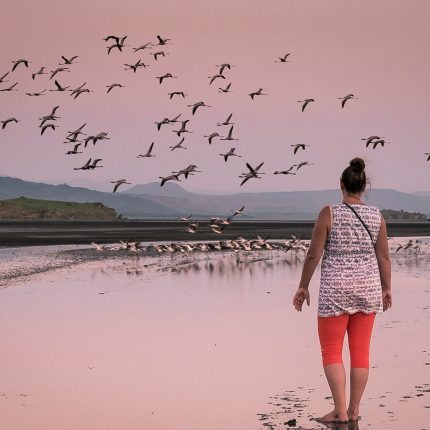
You will visit Tarangire, Serengeti, Ngoro-Ngoro and Lake Manyara

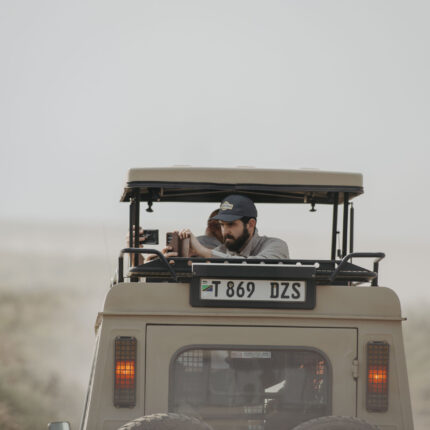
You will visit Tarangire, Ngoro-Ngoro and Serengeti National Park
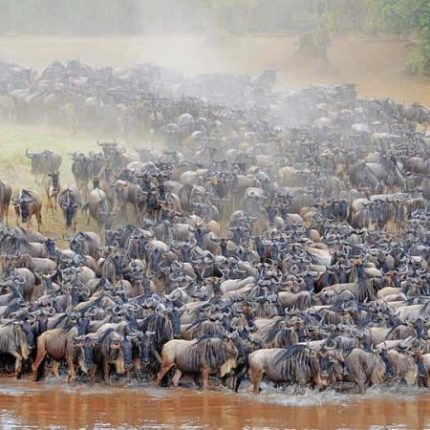
You will visit Ngoro-Ngoro and Serengeti National Park
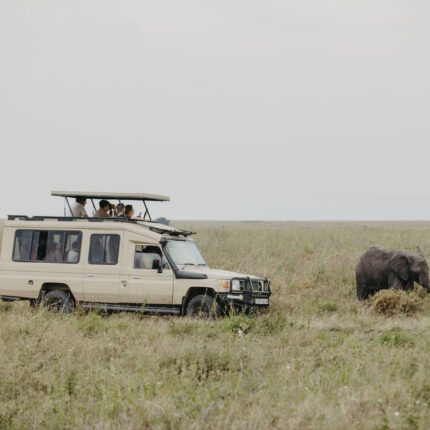
You will visit Tarangire National Park and Ngoro-Ngoro Conservation Area
You will visit Mikumi National Park, and Dar-Es-Salaam
You will visit Selous Game Reserve and Dar-es-Salaam