

Beyond the Big Five: Hidden Gems and Lesser-Known Safari Experiences in Tanzania
Beyond the Big Five: Hidden Gems and Lesser-Known Safari Experiences in Tanzania
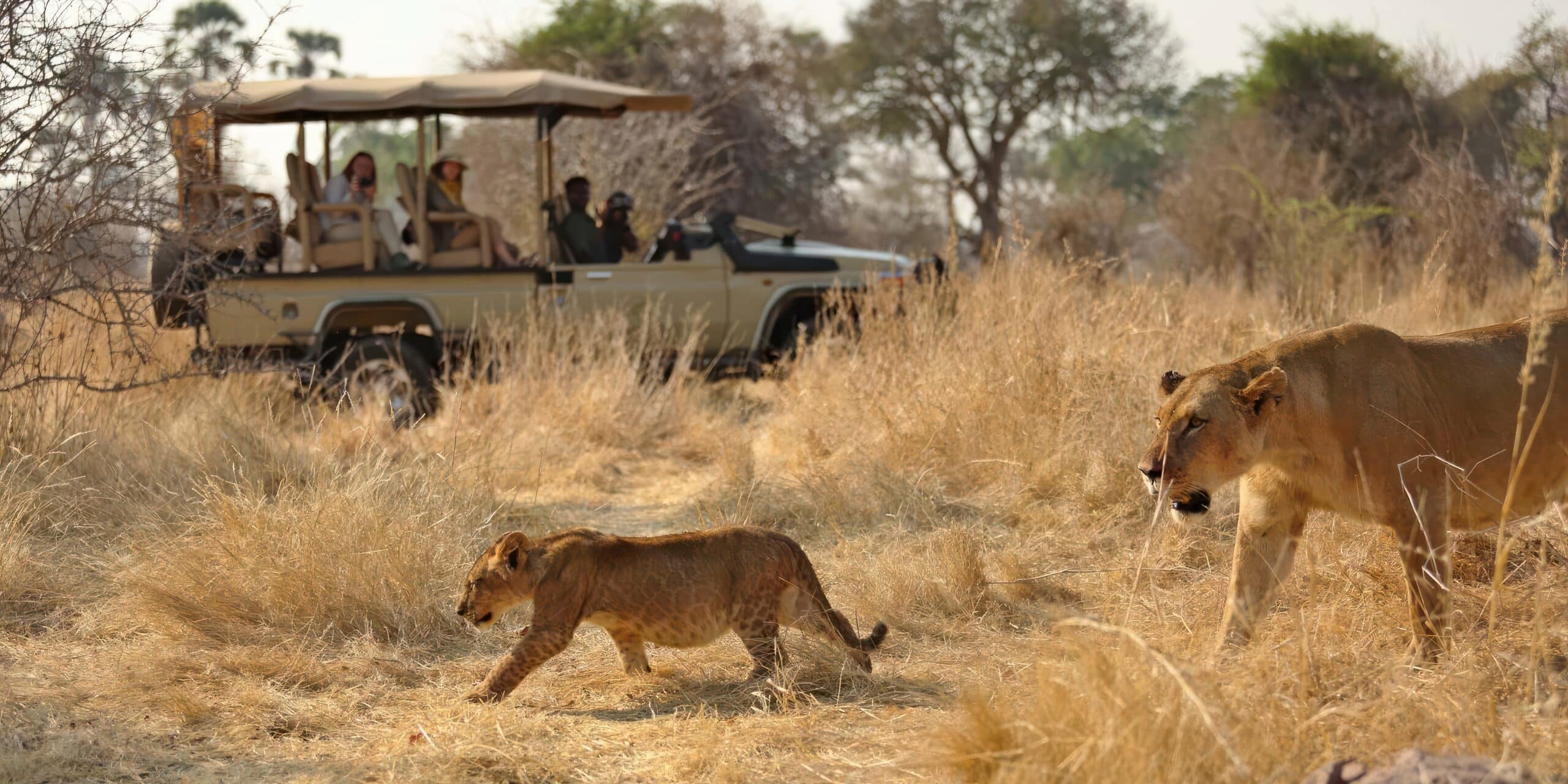
When most travelers think about Tanzania safaris, their minds immediately jump to the Serengeti’s endless plains or the Ngorongoro Crater’s dramatic landscapes. However, Tanzania’s safari experiences extend far beyond these famous destinations. In fact, the country offers numerous hidden gems and unique adventures that provide equally thrilling encounters with wildlife while delivering a more intimate and exclusive experience.
At MJ Safaris and Adventure, we believe that true safari enthusiasts deserve to explore Tanzania’s lesser-known treasures. Therefore, we’ve compiled this comprehensive guide to help you discover the extraordinary destinations and experiences that most tourists never get to see.
Ruaha National Park: Tanzania’s Best-Kept Secret
Why Ruaha Deserves Your Attention
Located in central Tanzania, Ruaha National Park stands as the country’s largest national park, yet it remains remarkably under-visited. Consequently, visitors who venture to this remote wilderness often find themselves virtually alone with nature. The park covers approximately 20,226 square kilometers, making it larger than Serengeti, but it receives only a fraction of the tourists.
Moreover, Ruaha boasts one of the highest concentrations of elephants in East Africa. During the dry season, herds of up to 500 elephants gather along the Great Ruaha River, creating spectacular wildlife viewing opportunities. Additionally, the park is home to 10% of the world’s lion population, offering incredible predator sightings without the safari vehicle crowds.
Unique Wildlife Encounters in Ruaha
Furthermore, Ruaha presents a unique biogeographical transition zone where southern and northern African species converge. As a result, you’ll encounter animals rarely seen together elsewhere, including greater and lesser kudu, roan and sable antelope, and both striped and spotted hyenas.
The birdwatching in Ruaha is equally exceptional, with over 570 species recorded. Meanwhile, the park’s baobab-studded landscapes provide a dramatic backdrop that differs significantly from the classic Serengeti scenery. These ancient trees, some over 1,000 years old, create photographic opportunities that are truly Instagram-worthy.
Nyerere National Park (Formerly Selous Game Reserve): Africa’s Largest Protected Wildlife Area
Understanding Nyerere’s Transformation
Previously known as Selous Game Reserve, Nyerere National Park underwent a significant transformation in 2019. Despite this change, it remains one of Africa’s most pristine wilderness areas. Spanning over 30,000 square kilometers, this UNESCO World Heritage Site offers safari experiences that simply cannot be found in northern Tanzania’s more popular parks.
In contrast to the busier northern circuit, Nyerere provides an authentic wilderness experience where you’re more likely to spot wild dogs than other tourists. The park’s remote location ensures exclusivity, making it perfect for travelers seeking solitude in nature.
Water-Based Safari Adventures
Unlike traditional game drives, Nyerere excels in offering boat safaris along the Rufiji River. These aquatic adventures allow you to observe hippos, crocodiles, and countless waterbirds from a completely different perspective. Subsequently, many visitors describe boat safaris as their most memorable Tanzania experience.
Additionally, the park permits walking safaris with armed rangers, providing an adrenaline-pumping way to track animals on foot. This immersive experience connects you with the African bush in ways that vehicle-based safaris cannot match. Walking through the wilderness heightens all your senses and creates unforgettable memories.
Mahale Mountains National Park: Where Chimpanzees Reign
Tanzania’s Primate Paradise
Situated on the shores of Lake Tanganyika, Mahale Mountains National Park offers something entirely different from typical safari destinations. This remote park is accessible only by boat, ensuring an exclusive experience for adventurous travelers. Most importantly, Mahale is home to one of Africa’s largest populations of wild chimpanzees.
Chimpanzee trekking in Mahale represents a once-in-a-lifetime opportunity to observe our closest living relatives in their natural habitat. Unlike Uganda or Rwanda, Mahale’s location on a pristine lake combines primate encounters with beach relaxation. Therefore, you can spend mornings tracking chimps through montane forests and afternoons swimming in the crystal-clear waters of Lake Tanganyika.
The Mahale Experience Beyond Primates
Beyond chimpanzees, the park harbors other primate species including red colobus monkeys, red-tailed monkeys, and yellow baboons. Furthermore, the forest ecosystem supports diverse birdlife, butterflies, and unique flora found nowhere else in Tanzania.
The journey to Mahale itself becomes part of the adventure. Since there are no roads, visitors must fly to nearby Kigoma and then take a scenic boat ride across Lake Tanganyika. Consequently, this remoteness guarantees an intimate experience with limited tourist numbers and pristine natural surroundings.
Katavi National Park: Tanzania’s True Wilderness Frontier
Remote and Unspoiled
Located in western Tanzania, Katavi National Park epitomizes the word “remote.” This park receives fewer than 1,000 visitors annually, ensuring you’ll have wildlife sightings virtually to yourself. Nevertheless, Katavi offers some of Tanzania’s most spectacular dry season wildlife concentrations.
During the dry months (June to October), thousands of hippos congregate in shrinking pools, creating incredible scenes of aquatic life. Similarly, massive herds of buffalo, sometimes numbering in the thousands, dominate the Katavi floodplains. These concentrations attract large predators, including lions, leopards, and hyenas, resulting in excellent predator-prey interactions.
The Authentic Bush Experience
Moreover, Katavi’s isolation means you’ll experience Tanzania as early explorers did decades ago. The park lacks luxury lodges and paved roads, but this rusticity adds to its charm. Instead, visitors stay in small tented camps that blend seamlessly with the environment.
Walking safaris in Katavi provide thrilling encounters with elephants, giraffes, and various antelope species. The absence of crowds allows your guide to tailor the experience entirely to your interests, whether that’s photography, birdwatching, or simply soaking in the wilderness atmosphere.
Tarangire National Park: The Elephant Playground
More Than Just a Day Trip Destination
Although Tarangire appears on many itineraries, most tourists visit only for day trips from Arusha. However, spending multiple days in this park reveals its true character. Tarangire hosts Tanzania’s second-largest elephant population, with herds often numbering over 300 individuals.
The park’s distinctive baobab trees and acacia woodlands create a landscape that’s markedly different from Serengeti grasslands. Additionally, Tarangire serves as a dry season refuge for migratory wildlife from the Maasai Steppe, resulting in extraordinary animal concentrations between June and October.
Unique Safari Activities in Tarangire
Furthermore, Tarangire permits night game drives, offering opportunities to spot nocturnal species like leopards, honey badgers, and bush babies. These after-dark adventures add excitement and variety to your safari experience.
Walking safaris and cultural visits to Maasai communities provide authentic interactions that go beyond wildlife viewing. Through these experiences, you’ll gain deeper insights into how local communities coexist with wildlife and maintain their traditional lifestyles.
Cultural Experiences: Connecting with Tanzania’s People
Authentic Community Encounters
Beyond wildlife, Tanzania’s cultural diversity offers enriching experiences that complement your safari adventure. Visiting Maasai, Hadzabe, or Datoga communities provides perspectives on traditional lifestyles that have existed for centuries. These interactions, when conducted respectfully through responsible tourism operators like MJ Safaris and Adventure, benefit local communities while educating visitors.
The Hadzabe people, one of Africa’s last hunter-gatherer tribes, live near Lake Eyasi. Participating in a morning hunt with Hadzabe guides offers insights into survival skills and bush knowledge passed down through generations. Meanwhile, the Datoga people, skilled blacksmiths, demonstrate traditional metalworking techniques that have remained unchanged for hundreds of years.
Planning Your Off-the-Beaten-Path Tanzania Safari
Practical Considerations
While these hidden gems offer extraordinary experiences, they require more planning than standard northern circuit safaris. First and foremost, access to remote parks like Mahale and Katavi typically requires charter flights, increasing costs but saving valuable time. However, the exclusivity and unique experiences justify the additional investment.
Secondly, accommodation options in these areas range from simple bush camps to comfortable tented lodges, though luxury options remain limited compared to Serengeti. Nevertheless, what these lodges lack in opulence, they compensate for with incredible locations and personalized service.
Best Times to Visit
Timing your visit correctly enhances your experience significantly. Generally, the dry season (June to October) offers the best wildlife viewing in most parks, as animals congregate around water sources. In contrast, the wet season (November to May) brings lush landscapes and excellent birdwatching opportunities, along with lower rates and fewer tourists.
Why Choose Lesser-Known Destinations with MJ Safaris and Adventure
At MJ Safaris and Adventure, we specialize in creating customized itineraries that showcase Tanzania’s diversity beyond the typical tourist trail. Our experienced guides possess intimate knowledge of these remote areas, ensuring safe, comfortable, and enriching experiences.
Moreover, by choosing off-the-beaten-path destinations, you contribute to conservation efforts in areas that receive less tourism revenue than popular parks. Your visit supports local communities and helps protect these pristine wilderness areas for future generations.
Conclusion: Your Next Tanzania Adventure Awaits
Tanzania offers so much more than the Big Five and famous parks. From chimpanzee tracking in Mahale to elephant encounters in Ruaha, from boat safaris in Nyerere to the untouched wilderness of Katavi, these hidden gems provide safari experiences that rival anything the northern circuit offers.
Furthermore, exploring lesser-known destinations allows you to escape the crowds and discover the authentic Africa that inspired legendary explorers. Whether you’re a first-time visitor looking for something different or a safari veteran seeking new adventures, these hidden treasures will exceed your expectations.
Contact MJ Safaris and Adventure today to start planning your customized Tanzania safari experience. Let us show you the Tanzania that most travelers never see-the hidden gems that will make your African adventure truly unforgettable.