

Exploring Tanzania’s Breathtaking Nature and Climate Wonders
Exploring Tanzania’s Breathtaking Nature and Climate Wonders
Introduction to Tanzania Nature and Climate
Tanzania nature is a gift that amazes every traveler. The Tanzania climate shapes the landscapes, from tropical coasts to highland forests.
Every corner of this country reveals new surprises. The Tanzania climate allows diverse life to thrive all year round.
Visitors often fall in love with the pure beauty. Nature in Tanzania offers an experience that connects the heart to the earth.
Moreover, Tanzania wildlife flourishes under balanced weather patterns. The warm air, green plains, and fresh breezes inspire exploration.
From Mount Kilimanjaro to Lake Victoria, Tanzania climate patterns remain as diverse as its geography. The natural beauty of Tanzania never disappoints.
Understanding Tanzania Climate Patterns
Tanzania climate can be described as tropical and moderate depending on altitude. Coastal regions experience hot and humid conditions.
Meanwhile, the central plateau enjoys a pleasant dry environment. This diversity makes Tanzania nature unique throughout the year.
From December to March, temperatures rise, perfect for beach visits and wildlife viewing.
However, from June to October, Tanzania climate becomes cooler and drier. These months mark the high safari season in Tanzania.
Travelers can experience clear skies and comfortable nights. The balance of sun and rain defines the natural beauty of Tanzania.
Because of this, Tanzania weather supports both flora and fauna growth.
The Influence of Climate on Nature in Tanzania
The Tanzania climate plays a vital role in shaping landscapes. Lush green forests depend on rainfall patterns that feed their roots.
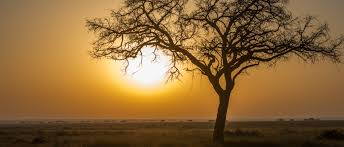
Savannahs stretch endlessly, filled with acacia trees and golden grasses. Every season changes the mood of Tanzania nature.
Even deserts bloom when brief rains fall.
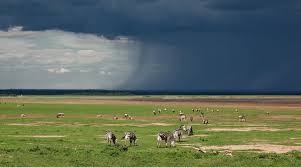
Moreover, wildlife migration depends on Tanzania climate cycles. The Great Migration in Serengeti showcases this natural rhythm beautifully.
Millions of wildebeests follow the rain, creating one of the most dramatic nature events in the world.
Therefore, the Tanzania climate and wildlife are deeply connected and perfectly balanced.
Nature Attractions Shaped by Tanzania Climate
Among the most iconic spots are Serengeti National Park, Mount Kilimanjaro, and Ngorongoro Crater.
Each of these wonders reflects Tanzania nature in different forms. Kilimanjaro’s snow contrasts beautifully with Serengeti’s dry plains.
The Tanzania weather allows travelers to enjoy both in one trip.
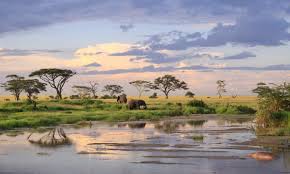
At Lake Manyara, lush forests host elephants and flamingos. The natural beauty of Tanzania truly shines here.
Even in dry areas, nature surprises visitors with hidden oases and green valleys. Therefore, every corner offers an unforgettable story.
Such contrasts make eco-tourism Tanzania a major attraction for global travelers.
Best Time to Explore Tanzania Nature
When planning a trip, understanding Tanzania climate seasons is essential.
The dry season from June to October is ideal for safaris and nature photography.
During this period, the weather is pleasant and predictable.
Alternatively, the short rainy season from November to December paints landscapes green again.
Tanzania nature transforms into a paradise for photographers.
Even though it rains occasionally, wildlife remains visible, and skies stay dramatic with warm golden hues.
Because of this, every Tanzania climate phase offers something special.
Therefore, no matter when you visit, you will witness unique beauty and life in motion.
Protecting Tanzania Nature and Climate Balance
Tourism and conservation go hand in hand in Tanzania.
As visitors admire Tanzania wildlife, protecting natural resources becomes a shared responsibility.
Eco-tourism Tanzania programs encourage sustainable travel that supports both communities and ecosystems.
Moreover, the government and local organizations work tirelessly to maintain environmental balance.
Every traveler can contribute by respecting parks, avoiding littering, and supporting local conservation projects.
Therefore, tourism can help maintain the harmony of Tanzania nature and climate for generations.
Conclusion
Tanzania nature tells a story of balance and diversity. The Tanzania climate connects people, wildlife, and landscapes into one living masterpiece.
From the snow-capped peaks to warm coastal sands, the natural beauty of Tanzania captures every traveler’s soul.
Through eco-tourism Tanzania, we can protect and celebrate this incredible gift of nature forever.