

The Ultimate Guide to Trekking Mount Kilimanjaro: What Every First-Timer Needs to Know
Choosing the Right Kilimanjaro Route.
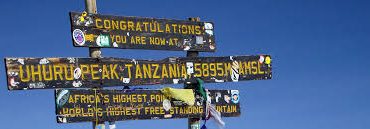
Mount Kilimanjaro stands as Africa’s highest peak and one of the world’s most rewarding trekking destinations. Consequently, it attracts thousands of adventure seekers annually. At 5,895 meters above sea level, summiting this iconic volcano represents a genuine life achievement. Furthermore, the mountain offers accessible climbing opportunities for most fitness levels. Therefore, it remains an ideal choice for first-time mountaineers worldwide. Additionally, the trek showcases diverse African ecosystems in just days. As a result, trekkers experience everything from tropical forests to alpine plateaus.
However, many aspiring climbers feel uncertain about whether they can succeed. Nevertheless, evidence shows that determination matters more than prior experience. Importantly, most climbers who fail do so due to poor planning. In particular, inadequate acclimatization and insufficient physical preparation cause summit failures. Conversely, well-prepared trekkers enjoy exceptional success rates. Moreover, professional guides significantly improve your climbing experience and safety outcomes.
Why Kilimanjaro Should Be on Your Bucket List
Unlike mountaineering expeditions requiring advanced technical skills and rope work. Consequently, Kilimanjaro offers an accessible yet genuinely challenging adventure opportunity. The trek tests determination and proper acclimatization rather than climbing expertise. Additionally, trekkers from all fitness levels successfully reach Uhuru Peak annually. Hence, age and athletic background don’t guarantee success or failure. Rather, mental toughness and consistent training prove most important for summit achievement. Furthermore, the sense of accomplishment upon reaching the peak truly transforms perspectives. Beyond the summit, you experience diverse African ecosystems remarkably quickly. Specifically, you travel from rainforests to volcanic crater landscapes in days. Therefore, Kilimanjaro offers unparalleled geographical and environmental variety compared globally.
Notably, the mountain’s accessibility makes it uniquely appealing for adventure tourism. Moreover, it provides professional guides and established infrastructure supporting climber safety. Consequently, thousands of climbers summit annually despite the challenging high altitude. Additionally, your achievement remains equally impressive regardless of climbing route chosen. In essence, reaching Uhuru Peak represents a life-changing personal accomplishment. Therefore, investment in this experience yields remarkable returns emotionally and psychologically.
Choosing Your Route Strategically
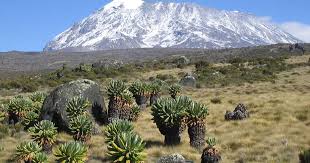
Kilimanjaro offers six main climbing routes with distinct advantages and characteristics. Subsequently, route selection depends on personal preferences and available time. The Marangu route is the most direct and historically popular. Accordingly, it suits first-timers seeking efficiency and established mountain infrastructure. However, this route offers less optimal acclimatization time during the trek. Conversely, the Machame route provides superior scenic beauty and acclimatization opportunities. Therefore, success rates on Machame often exceed Marangu route statistics. Additionally, Machame takes longer but distributes exertion more evenly across days. Consequently, climbers experience less altitude sickness on this extended route. Moreover, fewer crowds on Machame create more intimate mountain experiences.
Furthermore, the Lemosho and Rongai routes offer less crowded alternatives entirely. Notably, these routes provide stunning panoramic views throughout the entire climbing experience. Additionally, Lemosho approaches the mountain from the western slope uniquely. Hence, you witness dramatically different landscapes compared to eastern routes. Conversely, Rongai approaches from the north near Kenyan borders. Therefore, each route presents distinct geographical and cultural experiences respectively. In conclusion, your choice depends on timeline, fitness level, and preference. Specifically, prioritize solitude or classic routes based on personal motivations. Importantly, consulting experienced guides helps select the optimal route individually.
Physical and Mental Preparation Ensures Success
While Kilimanjaro doesn’t require rock climbing skills or rope expertise necessarily. Consequently, proper physical preparation proves absolutely crucial for summit success. Begin training three to four months before your intended trek date. Therefore, establish consistent cardiovascular workout routines without delay or procrastination. Specifically, engage in hiking, running, or cycling at least four times. Moreover, stair climbing particularly strengthens leg muscles needed for sustained climbing. Additionally, incorporate strength training targeting your core and lower body consistently. Hence, you develop the muscular endurance required for daily trekking demands. Furthermore, mental preparation remains equally important as physical conditioning efforts. Notably, expect genuine discomfort from altitude, cold nights, and physical fatigue. Therefore, psychological resilience often determines success more than athletic ability. Additionally, visualizing success and preparing mentally strengthens your overall resilience.
Acclimatization represents your best friend on the mountain throughout your journey. Specifically, slower routes allow your body to adjust progressively to altitude. Moreover, reduced oxygen levels require gradual physiological adaptation over days. Consequently, higher success rates correlate directly with slower climbing paces.
Therefore, hydration, steady pacing, and rest days facilitate proper acclimatization. Additionally, many climbers underestimate acclimatization importance, leading to preventable failures.
In contrast, those prioritizing altitude adjustment typically summit successfully.
Hence, patience yields far better results than aggressive climbing strategies. Furthermore, your guides understand acclimatization science and will maintain appropriate pacing.
Essential Packing and Weather Expectations
Invest in quality gear, a four-season sleeping bag, and waterproof clothing. Moreover, waterproof jacket and pants protect against unexpected mountain rainfall and snow. Additionally, hiking boots must be broken in before your climbing expedition. Therefore, worn-in boots prevent painful blisters during strenuous daily trekking. Furthermore, high-altitude layers provide essential insulation against freezing nighttime temperatures. The mountain weather changes notoriously and unpredictably throughout your trek. Specifically, expect scorching sun during daytime hours at lower elevations. Conversely, freezing temperatures dominate nighttime conditions above 4,000 meters elevation. Moreover, occasional rain and snow occur, requiring waterproof protection constantly. Therefore, layering strategies prove more effective than single heavy garments. Additionally, bring sun protection including sunscreen, sunglasses, and a wide-brimmed hat. Hence, sun exposure intensifies significantly at high altitudes due to reduced atmosphere. Furthermore, proper gear investment directly improves your climbing comfort and safety. Notably, many experienced guides recommend specific brands known for reliability. Therefore, consult your tour operator regarding recommended equipment specifications extensively.
Altitude Sickness: Understanding and Managing Effects
Don’t underestimate altitude sickness impacts on your climbing experience profoundly. Specifically, symptoms range from mild headaches to severe nausea and incapacity. Moreover, altitude sickness affects even athletic individuals unpredictably regardless of prior preparation. Therefore, taking climbing slowly, staying hydrated, and monitoring symptoms prove critical. Additionally, communicating with guides about physical symptoms ensures appropriate intervention. Consequently, many operators provide medications facilitating better acclimatization naturally. Furthermore, rest days at intermediate altitudes significantly improve physiological adaptation rates. Hence, slower itineraries typically produce higher success rates than rushed schedules. Importantly, descending immediately treats severe altitude sickness effectively and safely. Therefore, guides prioritize descent if serious symptoms develop during climbing.
The Summit Push and Sunrise Achievement
Summiting typically happens around midnight for optimal sunrise timing strategically. Specifically, trekkers wake at 10 PM for the final challenging push upward. Moreover, night climbing requires powerful headlamps and careful foot placement. Therefore, guides lead slowly despite darkness to maintain safety standards. Additionally, reaching Uhuru Peak at sunrise creates an absolutely magical moment. Consequently, the sun illuminates the crater revealing vast African landscapes below. Furthermore, this sunrise memory justifies every blister and muscle ache entirely. Notably, many climbers report profound emotional experiences upon reaching the summit. Therefore, the descent is surprisingly harder on your legs and joints. Hence, use trekking poles to minimize impact and strain. Additionally, embrace slower descending paces despite exhaustion to protect your knees. Importantly, celebrate your achievement while descending safely down the mountain.