

Zanzibar Safari Adventures: Discover Wildlife, Coral Reefs & Spices
Zanzibar Safari: Where the Ocean Meets the Wild
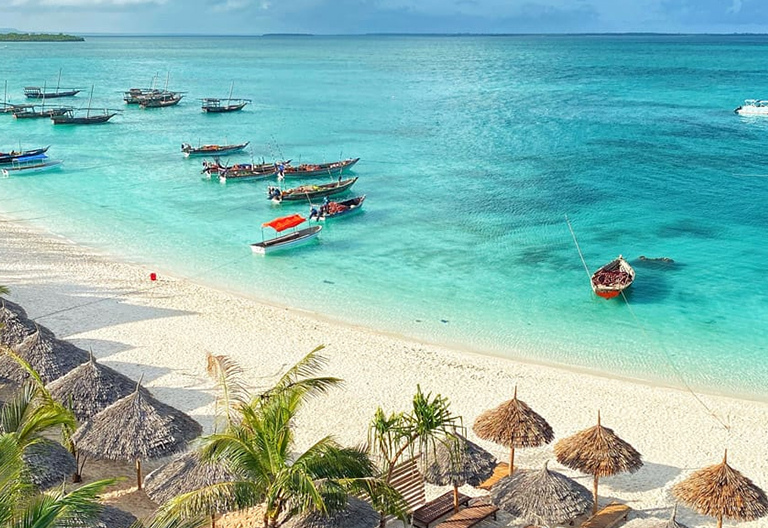
When most travelers think of Zanzibar, their minds immediately drift to powdery white beaches, turquoise waters, and the sweet scent of cloves on tropical breezes. However, there’s another side to this semi-autonomous island off the coast of Tanzania — one that pulses with wildlife, history, and raw adventure. Yes, Zanzibar is a beach paradise, but did you know you can also go on safari here?
While it’s not a traditional “Big Five” safari destination like mainland Tanzania’s Serengeti or Ngorongoro Crater, Zanzibar offers a more intimate, off-the-beaten-path wildlife experience. In fact, it pairs unique ecosystems, rich cultural heritage, and diverse wildlife with the island’s unmatched coastal beauty.
In this post, we’ll explore everything you need to know about a safari in Zanzibar — where to go, what to expect, and how to combine nature with beachside relaxation.
What Kind of Safari Can You Do in Zanzibar?
Zanzibar’s safari experience differs significantly from the sweeping savannahs of the mainland. Nonetheless, it captivates in its own way. The island is home to endemic species, lush forest reserves, and marine parks teeming with aquatic life.
Let’s take a look at the main types of safari experiences available:
- Forest Safari – Jozani Chwaka Bay National Park
To begin with, the Jozani Forest is the crown jewel of Zanzibar’s terrestrial wildlife. Located in central Unguja, it is Zanzibar’s only national park, and is especially famous for the endangered Zanzibar red colobus monkey, found nowhere else in the world.
Highlights include:
- Zanzibar red colobus monkeys: These sociable primates are easy to spot and often swing through the treetops above visitors.
- Mangrove boardwalks: Meandering through these tidal zones offers a deeper understanding of Zanzibar’s unique ecosystems.
- Other species: With some luck, you might spot the tiny suni antelope or even the rare Ader’s duiker.
Generally, a guided tour of Jozani Forest lasts 2–3 hours, making it a perfect short excursion for nature lovers and families alike. Moreover, the park is part of Zanzibar’s broader conservation efforts, so your visit directly contributes to environmental protection.
- Marine Safari – Mnemba Atoll and Beyond
On the other hand, if you’re drawn to the sea, Zanzibar’s marine safari opportunities are second to none. The island’s surrounding waters are a diver’s and snorkeler’s paradise.
Top spots for marine safaris:
- Mnemba Atoll: Located just off the northeast coast, this marine reserve boasts vibrant coral reefs and a wealth of marine life.
- Chumbe Island Coral Park: A private reserve with award-winning eco-tourism and protected reefs.
- Kizimkazi Dolphin Tours: While these tours can be controversial, choosing ethical operators ensures a respectful experience with the dolphins.
- Colorful coral gardens
- Sea turtles, dolphins, and reef sharks
- Seasonal whale migrations (especially July to October)
Ultimately, a marine safari is both thrilling and tranquil — offering a front-row seat to one of the most biodiverse underwater ecosystems in East Africa.
-
Spice Safari – A Journey for the Senses
In addition to wildlife-based safaris, Zanzibar offers a unique sensory adventure: the spice tour. Known globally as the “Spice Island,” Zanzibar’s historic trade routes have left behind lush plantations filled with aromatic treasures.
During a spice safari, you’ll:
- Walk through farms with a local guide
- Taste fresh cinnamon, vanilla, turmeric, cardamom, and more
- Learn about the spices’ uses in traditional Swahili cooking
- Enjoy a local meal prepared with the very spices you just experienced
Consequently, the spice tour is more than a culinary excursion — it’s a cultural and historical journey.
Best Time to Go on Safari in Zanzibar
Zanzibar enjoys a warm, tropical climate all year. However, some seasons are better than others for specific activities.
- June to October: The dry season, ideal for forest walks and marine safaris with excellent visibility.
- December to February: Warm and relatively dry, perfect for beach relaxation and spice tours.
- March to May: The long rains make travel less predictable, so many travelers avoid this time.
Therefore, planning your visit during the dry months ensures the best safari conditions.
Combining Zanzibar with a Mainland Safari
If your dream safari includes elephants, lions, and giraffes, don’t worry — you can easily combine a Zanzibar holiday with a mainland Tanzania safari.
Popular options include:
- Serengeti National Park: Famous for the annual Great Migration.
- Ngorongoro Crater: A natural wildlife sanctuary with incredible biodiversity.
- Selous Game Reserve (now Nyerere National Park): Less crowded and easily accessible via short flights from Zanzibar.
By combining both, you can enjoy the dramatic landscapes of the savannah followed by peaceful days by the sea.
Top Safari Tour Operators in Zanzibar
As with any trip, the quality of your safari experience depends largely on your guide. Choosing an ethical, experienced tour operator ensures a safe, respectful, and informative adventure.
Recommended providers:
- Eco & Culture Tours Zanzibar – Specializing in community-based tourism and sustainability.
- Zanzibar Unique Tour & Safaris – Offers customizable itineraries with a focus on conservation.
- Colors of Zanzibar – Excellent for tailored tours and professional service.
Before booking, always verify that the company follows ethical wildlife practices — especially for dolphin tours, which can sometimes involve unethical chasing behaviors.
Where to Stay During Your Safari in Zanzibar
Zanzibar’s accommodations range from eco-lodges deep in nature to beachfront luxury resorts. Depending on your preference, you can choose rustic charm or modern comfort.
Near Jozani Forest:
- Fumba Beach Lodge – Stylish and sustainable, with access to both forest and ocean.
- Zanzibar Lodge – A cozy, budget-friendly option with warm hospitality.
For marine safaris:
- Zawadi Hotel – A romantic, high-end retreat on the southeastern coast.
- Matemwe Retreat – Perfect for divers, just a stone’s throw from Mnemba Atoll.
Eco-conscious options:
- Chumbe Island Eco-Lodge – 100% solar-powered and an award-winning conservation model.
All in all, where you stay can greatly enhance your safari, especially when it aligns with the surrounding environment.
Why Choose Zanzibar for a Safari?
At first glance, Zanzibar may not appear to be a typical safari destination. Nevertheless, it offers a blend of ecosystems and experiences that few places can match.
- Watch red colobus monkeys leap through ancient mahogany trees.
- Snorkel through coral gardens brimming with marine life.
- Savor the taste of cloves, nutmeg, and cinnamon straight from the source.
In short, Zanzibar is a place where the wild meets the waves, where the spice of life is more than just a metaphor — it’s a way of being.
Travel Tips for a Seamless Safari Experience
To make the most of your adventure, keep the following tips in mind:
- Pack breathable clothing: Light, neutral colors work best in hot, humid weather.
- Bring reef-safe sunscreen: Protect your skin and the marine ecosystem.
- Use insect repellent: Particularly during forest walks.
- Respect local wildlife and customs: Always follow your guide’s advice.
- Support local guides and businesses: Your money helps sustain the island’s economy and conservation efforts.
All things considered, preparation goes a long way toward making your safari both enjoyable and responsible.
Final Thoughts
Zanzibar’s safari experience is unlike any other. Rather than lions and leopards, you’ll encounter red colobus monkeys and vibrant coral reefs. Instead of dusty plains, you’ll trek through emerald forests and sail across aquamarine seas.
Yet, the sense of wonder, connection to nature, and excitement of discovery are every bit as powerful.
So, if you’re looking for a safari that combines biodiversity, culture, and seaside serenity, look no further than Zanzibar — where adventure lives not only on land but also in the sea and the spirit of the island itself.
