


Kilimanjaro Climbing Routes
Mount Kilimanjaro is one of the most iconic mountains on earth. Standing at 5,895 metres (19,341 feet) above sea level, it is the highest peak in Africa and one of the famous “Seven Summits.” Every year, thousands of adventurers from all over the world travel to Tanzania to attempt the climb.
The good news? You do not need to be a professional mountaineer to reach the summit. Kilimanjaro is a non-technical climb, which means you do not need ropes, axes, or special climbing skills. What you do need is the right route, the right preparation, and the right team by your side.
Choosing your route is one of the most important decisions you will make. Each route has a different level of difficulty, scenery, duration, and success rate. In this guide, we break down all the main Kilimanjaro climbing routes so you can pick the one that is perfect for you.

How Many Routes Are There on Kilimanjaro?
There are seven official climbing routes on Mount Kilimanjaro:
- Marangu Route
- Machame Route
- Lemosho Route
- Rongai Route
- Northern Circuit Route
- Umbwe Route
- Shira Route
Each route approaches the mountain from a different direction, passes through different landscapes, and takes a different number of days to complete. Some are better for beginners, while others suit experienced trekkers looking for a challenge.
Let’s look at each one in detail.
1. Marangu Route – “The Coca-Cola Route”
Difficulty: Easy to Moderate
Duration: 5 to 6 days
Success Rate: Around 50–65%
Approach: Southeast
The Marangu Route is the most popular and most well-known route on Kilimanjaro. It is often called the “Coca-Cola Route” because it is the busiest and most commercialised route on the mountain.
Why People Choose It:
- It is the only route with hut accommodation — no tents needed
- It is considered one of the gentler climbs in terms of gradient
- It is often the most affordable option
Things to Consider:
- The short acclimatisation time makes it harder for your body to adjust to altitude
- The 5-day version has a lower summit success rate than most other routes
- The trail can feel crowded during peak season
Best For: Budget-conscious climbers and those who prefer sleeping in huts over tents.

2. Machame Route – “The Whiskey Route”
Difficulty: Moderate to Challenging
Duration: 6 to 7 days
Success Rate: Around 85–90%
Approach: Southwest
The Machame Route is the most popular route among serious trekkers and is often called the “Whiskey Route” — a playful contrast to the easier Marangu “Coca-Cola” route. It is widely regarded as one of the most scenic routes on the mountain.
Why People Choose It:
- Spectacular and diverse landscapes — rainforest, moorland, lava towers, and glaciers
- The “climb high, sleep low” acclimatisation profile improves your chances of reaching the summit
- High success rate for those who allow 7 days
Things to Consider:
- The trail can be steep in sections
- It is a camping route, so you sleep in tents each night
- It gets busy during peak season (January–March and July–October)
Best For: Fit trekkers who want scenic beauty, good acclimatisation, and a strong chance of reaching the summit.
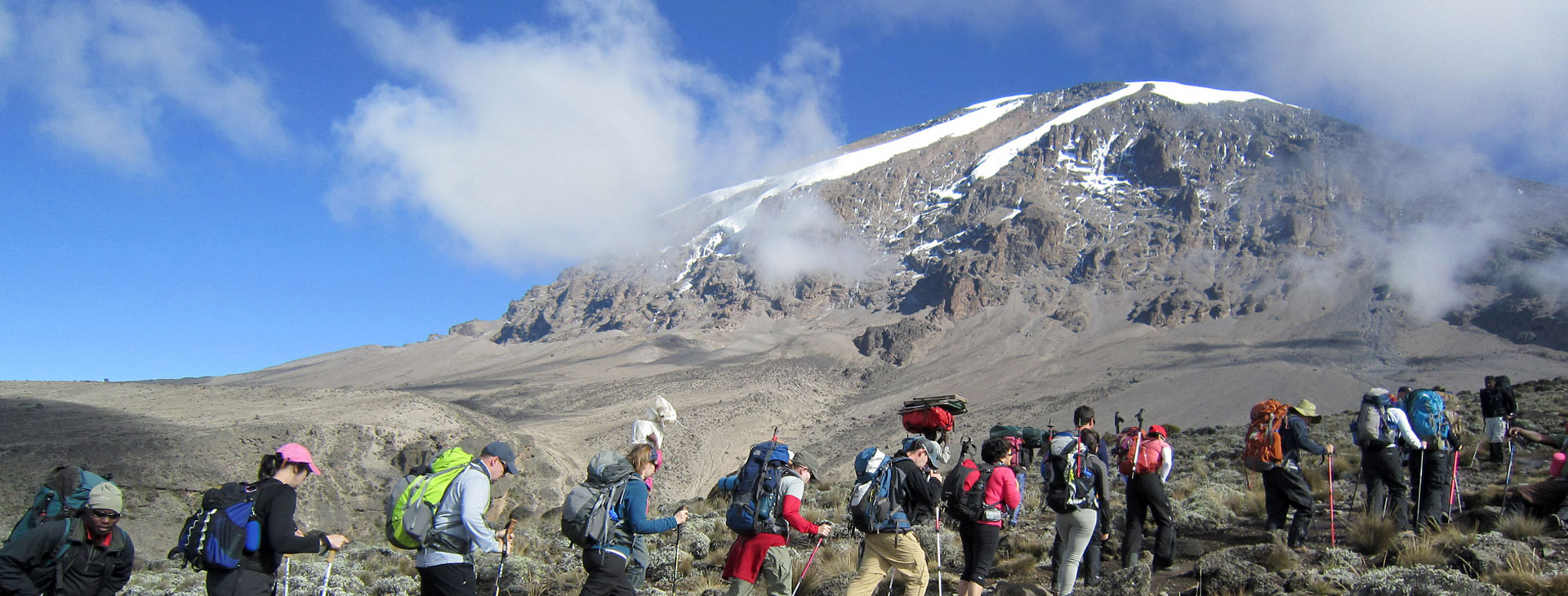
3. Lemosho Route – The Most Scenic Route
Difficulty: Moderate
Duration: 7 to 9 days
Success Rate: Around 90–95%
Approach: West
The Lemosho Route is widely considered the most beautiful route on Kilimanjaro. It starts on the remote western side of the mountain, giving you incredible views and a genuine wilderness experience with fewer crowds.
Why People Choose It:
- Outstanding natural scenery — you walk through pristine forests and dramatic highland plains
- Longer duration means better acclimatisation and higher summit success rates
- Less crowded than Machame and Marangu
Things to Consider:
- It is one of the more expensive routes due to its longer duration and remote starting point
- Requires good physical fitness
Best For: Trekkers who want the best possible balance of scenery, success rate, and a quieter experience on the mountain. This is our top recommendation at MJ Safaris.
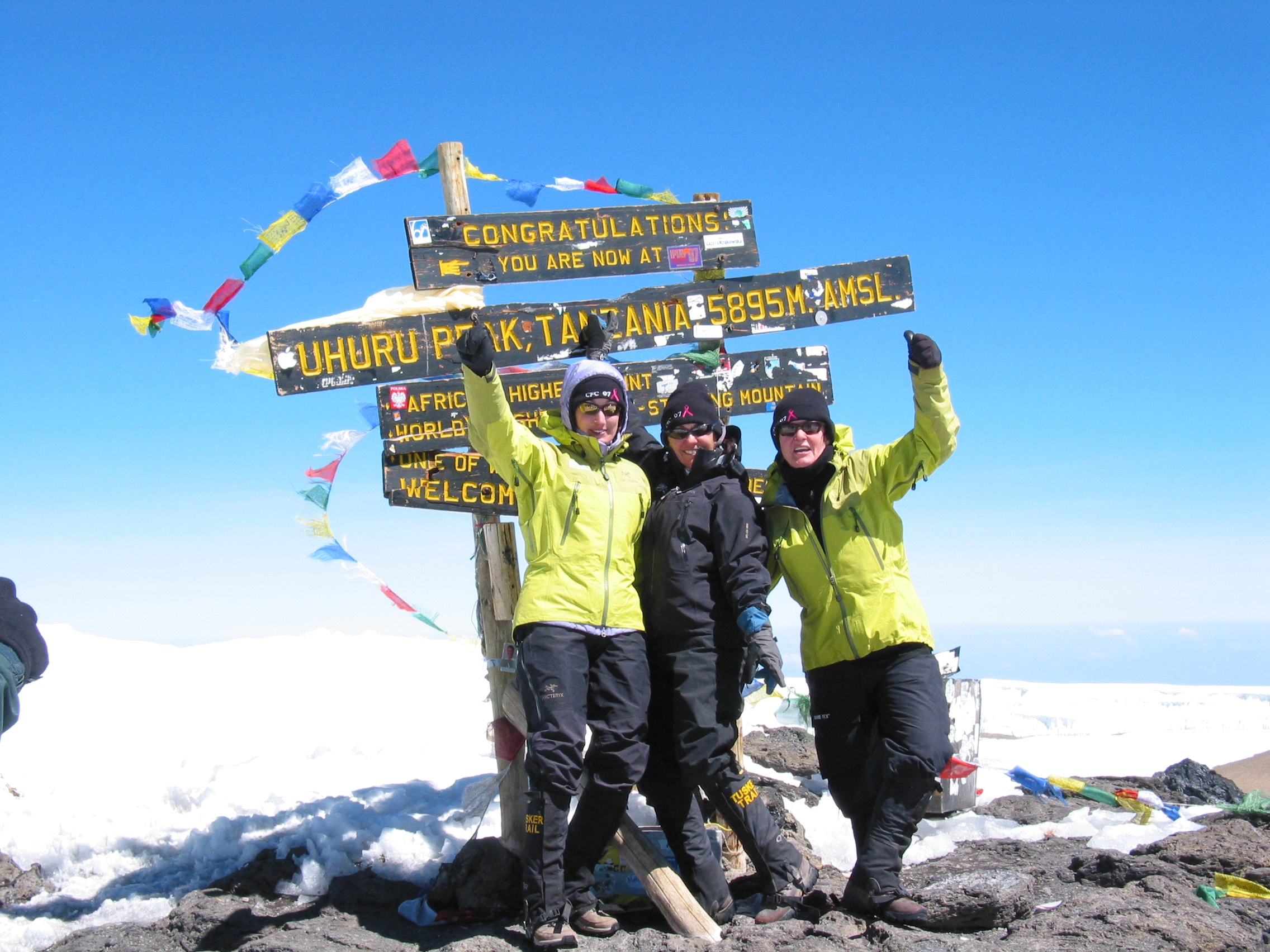
4. Rongai Route – The Only Northern Route
Difficulty: Moderate
Duration: 6 to 7 days
Success Rate: Around 80–85%
Approach: North (from the Kenyan border side)
The Rongai Route is the only route that approaches Kilimanjaro from the north. Because it comes from the Kenyan side, it is one of the quietest and least-travelled routes on the mountain.
Why People Choose It:
- Much less traffic than the southern routes
- The northern approach gives you completely different views of the mountain
- The terrain is drier and less steep on the lower sections
- A great option if you want a more remote, peaceful experience
Things to Consider:
- Less dramatic scenery compared to Lemosho or Machame
- Descent is via the Marangu Route, so you will share the trail with others on the way down
Best For: Trekkers who want to avoid crowds and experience the quieter side of Kilimanjaro.
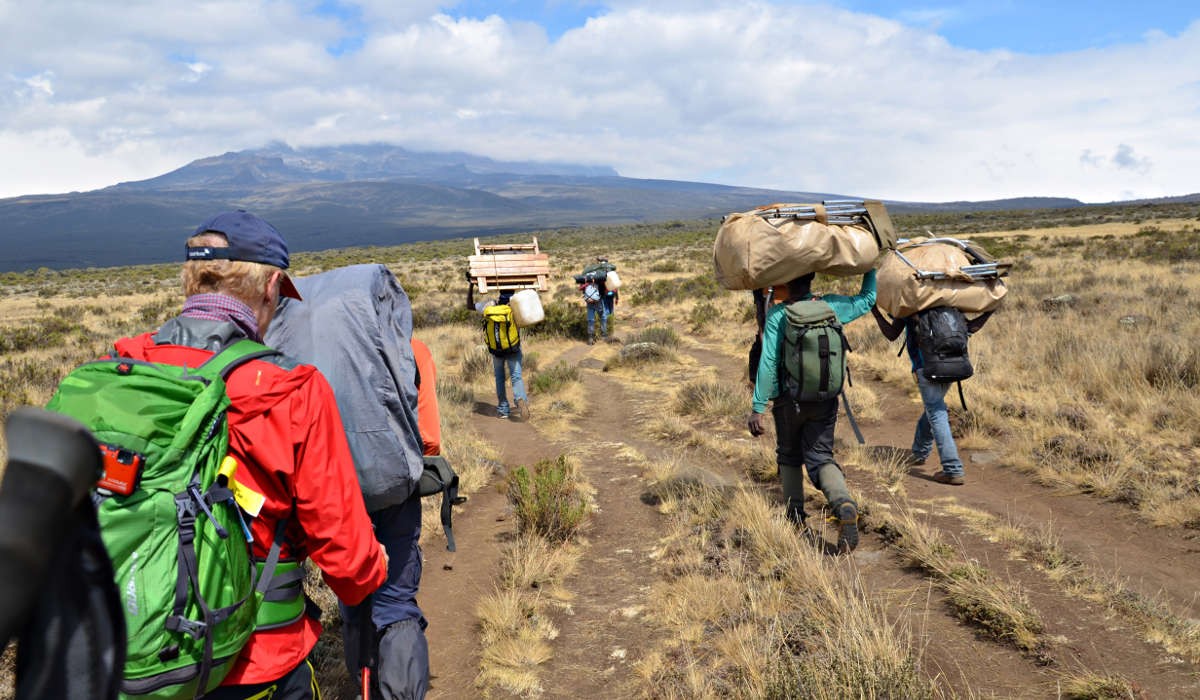
5. Northern Circuit Route – The Longest and Most Remote
Difficulty: Moderate
Duration: 9 to 10 days
Success Rate: Around 90–95%
Approach: West, then loops around the north
The Northern Circuit is the longest route on Kilimanjaro and circles almost the entire mountain before reaching the summit. It is the least crowded route of all, and its extra days give your body excellent time to acclimatise.
Why People Choose It:
- Highest success rate of any route on the mountain
- Almost completely avoids other trekking groups
- Gives you 360-degree views of the mountain and surroundings
- Ideal for those who want a true wilderness adventure
Things to Consider:
- It is the most expensive route due to its length
- Not ideal if you are tight on time
Best For: Experienced trekkers with time and budget who want the ultimate Kilimanjaro experience with the best possible summit odds.

6. Umbwe Route – For the Bold and Experienced
Difficulty: Very Challenging
Duration: 6 to 7 days
Success Rate: Around 60–70%
Approach: South
The Umbwe Route is the steepest and most direct route on Kilimanjaro. It climbs sharply through dense forest and dramatic ridges, and it is not recommended for first-time high-altitude trekkers.
Why People Choose It:
- A raw, rugged, and highly adventurous experience
- Fewer people on the trail
- Shorter approach to the summit zone
Things to Consider:
- The rapid altitude gain makes it harder to acclimatise properly
- Lower success rate than most other routes
- Only recommended for experienced trekkers with prior high-altitude experience
Best For: Fit, experienced adventurers looking for a challenge and do not mind a higher risk of altitude-related issues.

7. Shira Route – A Scenic Alternative
Difficulty: Moderate
Duration: 7 to 8 days
Success Rate: Around 85–90%
Approach: West (similar to Lemosho)
The Shira Route is similar to Lemosho in many ways, but it starts at a higher altitude — the Shira Plateau — which means less time walking through the lower forest zone. It eventually merges with the Lemosho Route above the plateau.
Why People Choose It:
- Beautiful high-plateau scenery
- Quiet and relatively uncrowded
Things to Consider:
- Starting at high altitude can be a challenge for acclimatisation if you are coming from sea level
- Most operators now prefer the Lemosho Route, which has a better lower-altitude acclimatisation profile
Best For: Those who want the Lemosho experience but start from the Shira Plateau trailhead.

Kilimanjaro Route Comparison at a Glance
| Route | Duration | Difficulty | Success Rate | Crowds | Best For |
|---|---|---|---|---|---|
| Marangu | 5–6 days | Easy/Moderate | 50–65% | High | Budget, hut lovers |
| Machame | 6–7 days | Moderate/Hard | 85–90% | Medium | Fit trekkers, great scenery |
| Lemosho | 7–9 days | Moderate | 90–95% | Low | Best all-round experience |
| Rongai | 6–7 days | Moderate | 80–85% | Low | Crowd avoiders |
| Northern Circuit | 9–10 days | Moderate | 90–95% | Very Low | Max success + adventure |
| Umbwe | 6–7 days | Very Hard | 60–70% | Very Low | Experienced only |
| Shira | 7–8 days | Moderate | 85–90% | Low | Plateau scenery |
Which Kilimanjaro Route Is Best for You?
Here is a simple way to think about it:
- First-time climber on a budget? → Marangu (6 days)
- Want scenery + a good success rate? → Machame or Lemosho
- Want the absolute best summit odds? → Lemosho or Northern Circuit
- Want to avoid crowds? → Rongai or Northern Circuit
- Experienced and want a serious challenge? → Umbwe
At MJ Safaris, we personally recommend the Lemosho Route for most of our clients. It gives you the best combination of beautiful scenery, healthy acclimatisation, and a very high chance of standing on the Roof of Africa.
Tips for a Successful Kilimanjaro Climb
Before you book your route, here are a few things to keep in mind:
- Choose 7 days or more. The extra days dramatically improve your acclimatisation and summit success rate.
- Train before you go. Cardio fitness — hiking, running, cycling — makes a big difference.
- Listen to your body. Altitude sickness can affect anyone. Go slowly and tell your guides how you feel.
- Pack right. Layers are essential. Temperatures on the summit can drop to -20°C (-4°F).
- Hire experienced guides. A qualified, knowledgeable guiding team is the single biggest factor in your success.
Ready to Climb Kilimanjaro?
Climbing Kilimanjaro is a life-changing adventure. Whether it is your first big mountain or one of many, standing at the top of Africa is something you will never forget.
At MJ Safaris, we offer expertly guided Kilimanjaro climbs on all major routes. Our experienced team will take care of everything — permits, equipment, accommodation, meals, and safety — so you can focus on enjoying every step of the journey.
📩 Contact us today at mjsafaris.com to plan your Kilimanjaro adventure.