

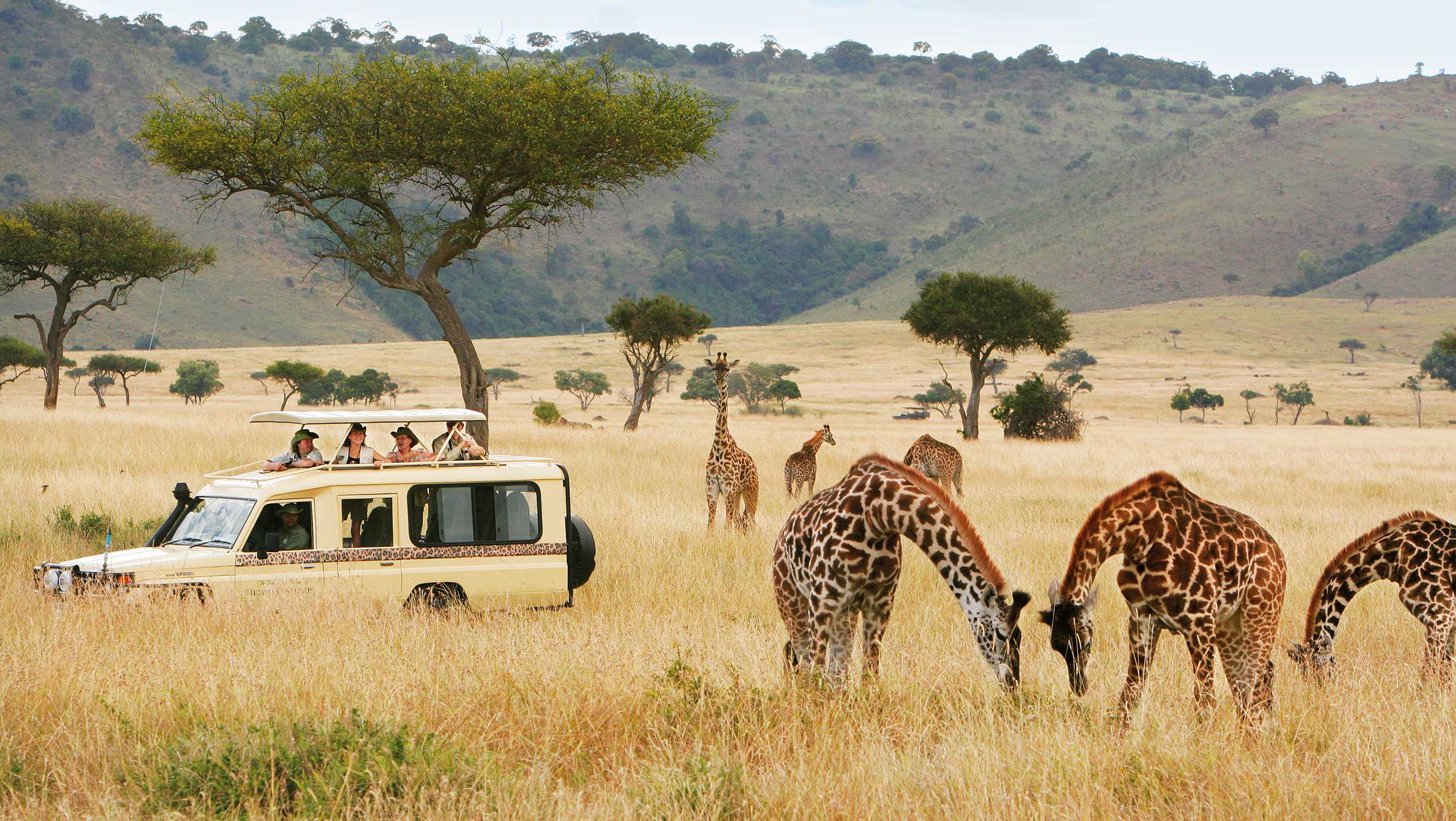
African Safaris: Are They Dangerous?
African Safari safety tips
While African safaris involve some degree of risk due to wildlife encounters, they are generally very safe, with incidents of serious harm or death being extremely rare.
The risk is primarily from wildlife interactions, particularly with larger animals like lions, elephants, and hippos, but expert guides and well-trained staff
at reputable tour operators significantly mitigate these risks. Following their instructions and adhering to safari rules is crucial for ensuring a safe and enjoyable experience.
Anyone planning a vacation who enjoys adventure and the great outdoors should consider going on an African safari.
As with anything from driving a car to changing a light bulb, there are dangers, however, by following these guidelines, you can enjoy your trip and stay safe.
First and most importantly, listen to your guide. They are familiar with the area you choose to tour and know what to expect from the wildlife in the area.
Southern African tours are generally given in open areas with no fences, so it cannot be stressed enough to follow any instructions that are given on the tour.
Another common concern is whether traveling to Africa will pose health risks. Many are surprised to discover that, while many areas of Africa are disease-ridden,
most of these horror stories are secluded to a specific area, and the problem is not widespread throughout the entire country.
In fact, there are many areas in the developed world that are in far worse condition.
Safari safety tips
Let’s talk safari safety. This means pointing to the African nations that are safe to visit, how to stay safe in terms of the wildlife (it’s not all obvious stuff), what to know for self-drive safaris, and the safety perks of organized safaris.
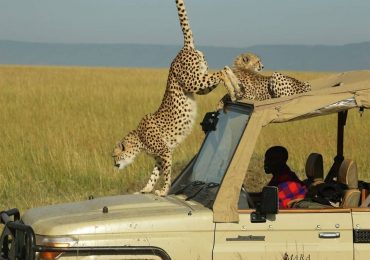
We all know that if you plop yourself down among a circle of baboons, you’re asking for trouble.
So we’re not going to use this blog post to talk about the importance of not feeding or petting the wildlife on safari. We assume you know that already. Instead, we’re going to offer you some solid safari safety tips that are actually worth your time.
An African safari is an unforgettable experience
There are two primary aspects to safari safety:
- Ensuring you’re safe from the wildlife (both big and minute).
- Avoiding any dangerous or unstable regions.
That said, there are some other points we’re going to make that are more about comfort than outright danger, like not getting stuck in a muddy rut and spending the night camped out in your 4×4.
Enough preamble.
How to stay safe on a safari drive
Safaris aren’t dangerous by nature.
That said, a safari – like riding a bicycle or stepping out your front door – is not entirely risk free. We take our lives into our hands every day. But we’re happy to report that a safari isn’t dangerous if done right.
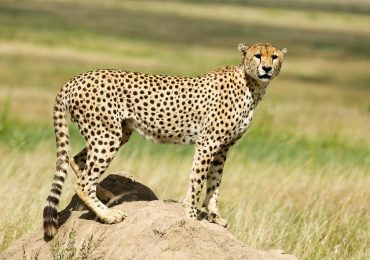
Leopards are elusive, making spotting one on a game drive a real coup!
When it comes to African wildlife, there are many dangerous animals, both large and small. And many will happily bite, buck, sting or stomp you if you aggravate them. (And just being in their way can be aggravating to some.) But the good news is that you’re not in danger from the wildlife unless you act recklessly or stupidly.
Cheetahs don’t hassle humans unless the humans hassle them first
So you want to be sensible in the manner you go about game viewing, whether you’re doing a self-drive safari or an organised one.
The main thing for keeping safe is to stay inside your vehicle when in a game park (unless your safari guide says it’s safe to get out). We repeat: your vehicle is your safety shield on safari. Stay inside of it!
If you spot some exciting wildlife, don’t jump out of the vehicle to photograph it – stay where you are and take a pic from there!
Even if you see a solitary, sweet, doe-eyed duiker next to your car, don’t get out to snap a close up (use your zoom lens for that). You never know what else is lurking just beyond view. And even the animals that look super cute and cuddly can sometimes be dangerous under the right set of circumstances.
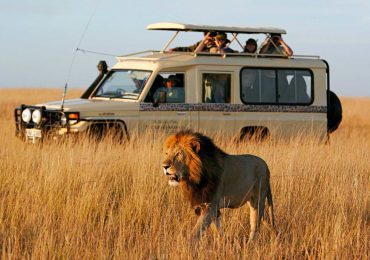
Always stay inside your vehicle unless your tour guide indicates it’s safe to step out
Which are the most dangerous African animals?
It’s surprisingly difficult to pinpoint the most dangerous animal in Africa.
This is because danger comes in many forms. Some animals are hazardous because they have brute strength, others because of their immense size, and others because of their fearsomely strong jaws and sharp teeth.
Still others are highly dangerous because of their speed, wiliness, venom or camouflage.
So is the most dangerous African animal the lion? He’s the king of the jungle, after all. But what about the elephant, which can crush you like a petal? Or the giraffe, which can actually decapitate you with a kick? Or the hyena, which has the strongest jaws of any mammal?
We also mustn’t forget to consider the hippo. In spite of its ungainly appearance, the hippo is surprisingly swift, and is also aggressive to boot. In fact, hippos kill more Africans on average than any other large land mammal. (But once again, they – like other animals – are only dangerous to safari-goers if you step out of your vehicle.)

Hippos are the most dangerous of Africa’s large land mammals, not lions
But wait, we must consider some other gnarly creatures before crowning our Most Dangerous Animal winner …
The Big Five
Colonial-era hunters coined the term ‘the Big Five’ to identify the large game that they found to be the most dangerous when hunted on foot.
This is because these animals (lions, bush elephants, Cape buffaloes, leopards and black rhinos) are very aggressive when aggravated or cornered. But we don’t, of course, advocate hunting the Big Five or any other animals for that matter. Spotting them is sport enough!
Did you know that the Cape buffalo is actually considered the most dangerous of the Big Five? This is because they will actually pursue or ambush hunters when feeling under threat.

Lions are formidable predators, but they’re far from being Africa’s most dangerous animal
Other (surprising) contenders
But when we think of fearsome wildlife, we can’t forget the terrible Nile crocodile! These beasts have jaws almost four times stronger than those of hyenas. (Shudder.) And there’s also the puff adder, whose camouflaged skin and venom make an awful combination.
Is malaria a problem on safari?
Most people thinking of a safari want to know if they’re safe from animals, imagining irate lions and ticked-off rhinos.
But really, it’s the tiny mosquito that presents the biggest threat.
Female anopheles’ mosquitoes that are infected with the malaria parasite bite and transmit the disease to hundreds of thousands of people in Africa every year.
As you can see from the map, many African nations sit squarely in the malaria zone. So this isn’t an issue you can ignore when planning a safari. Instead, it should form an integral part of your travel prep.
How do you protect yourself against malaria?
There are two ways to protect yourself from malaria. Firstly, we recommend visiting your local GP to ask after anti-malaria meds.
Secondly, once in a malaria-risk area:
- Use insect repellent.
- Wear long pants and long sleeves, as well as closed shoes.
- Sleep under a mosquito net.
Fit for Travel has a nice page on malaria prevention that we can also recommend for learning more on this important topic.
Long-sleeved shirts protect you from sunburn and mozzie bites
Traveling to Africa to enjoy a safari is an excellent vacation choice. While dangers are present no matter where you decide to go,
you can enjoy a safe trip by following basic instructions.