Arrival & Accommodation
- You will be collected from the Airport by a MJ Safaris Representative and taken to your accommodation in Arusha or Moshi.
- We are happy to book accommodation for before and after your safari, if needed
On Arrival in Tanzania
Flying into Arusha / Kilimanjaro Airports is quite straight forward - English is widely spoken and used for signs / directions.- Arusha Airport is a 30 minute drive from Arusha
- Kilimanjaro Airport is roughly 1 hour drive from Arusha
Money
The local currency is Tanzanian Shillings. US Dollars and Euros are widely accepted. Most places will not accept older US dollar bills (anything printed before 20015).Credit and Debit Cards
If you intend to use your credit or debit card to withdraw funds, we suggest taking more than one card with you as you may find that your card is not accepted in the first ATM you try. Visa and Maestro cards are best. We recommend that you inform your bank that you will be using your card abroad to avoid it being blocked.ATMs In Tanzania
These are available in Arusha and allow you to withdraw local currency. Flight Information We would advise that you arrive in Arusha or Moshi at least 1 day before your Safari begins. Return flights can be booked for the late afternoon / evening of the final day of your Safari, but please ensure your guide is aware of this so that you can arrive at the airport in plenty of time for your flight.Visa & Passports
Please check with the relevant Embassy in your country for up to date visa and passport information. Make sure your passport is not going to expire within six months of your trip (i.e. if your trip is in September make sure your passport is valid until at least March of the following year) and that it has at least 3 clear pages. You will probably need a visa to enter Tanzania. Check with your own country’s government travel website to find out how to get your visa. Most visas can be bought on arrival into the country.Vaccinations & Health
You will require vaccinations for your trip. As we are not medically trained, we are unable to give detailed advice on vaccination requirements. However, theFollowing vaccinations are normally recommended for Tanzania:
- Tetanus
- Polio
- Hepatitis A
- Typhoid
- Rabies
- Yellow Fever*
- Malaria **
* Malaria. In some of the areas we visit there is a risk of contracting Malaria. You
must be aware that whatever malaria tablets you are taking, they only offer partial
protection. They must be coupled with your own physical efforts against being
bitten - which is the best prevention. Malaria carrying mosquitoes come out at
sunset so from this time you should wear long sleeves and trousers. Exposed
skin, especially ankles, should have insect repellent containing 'Deet' applied to
them.
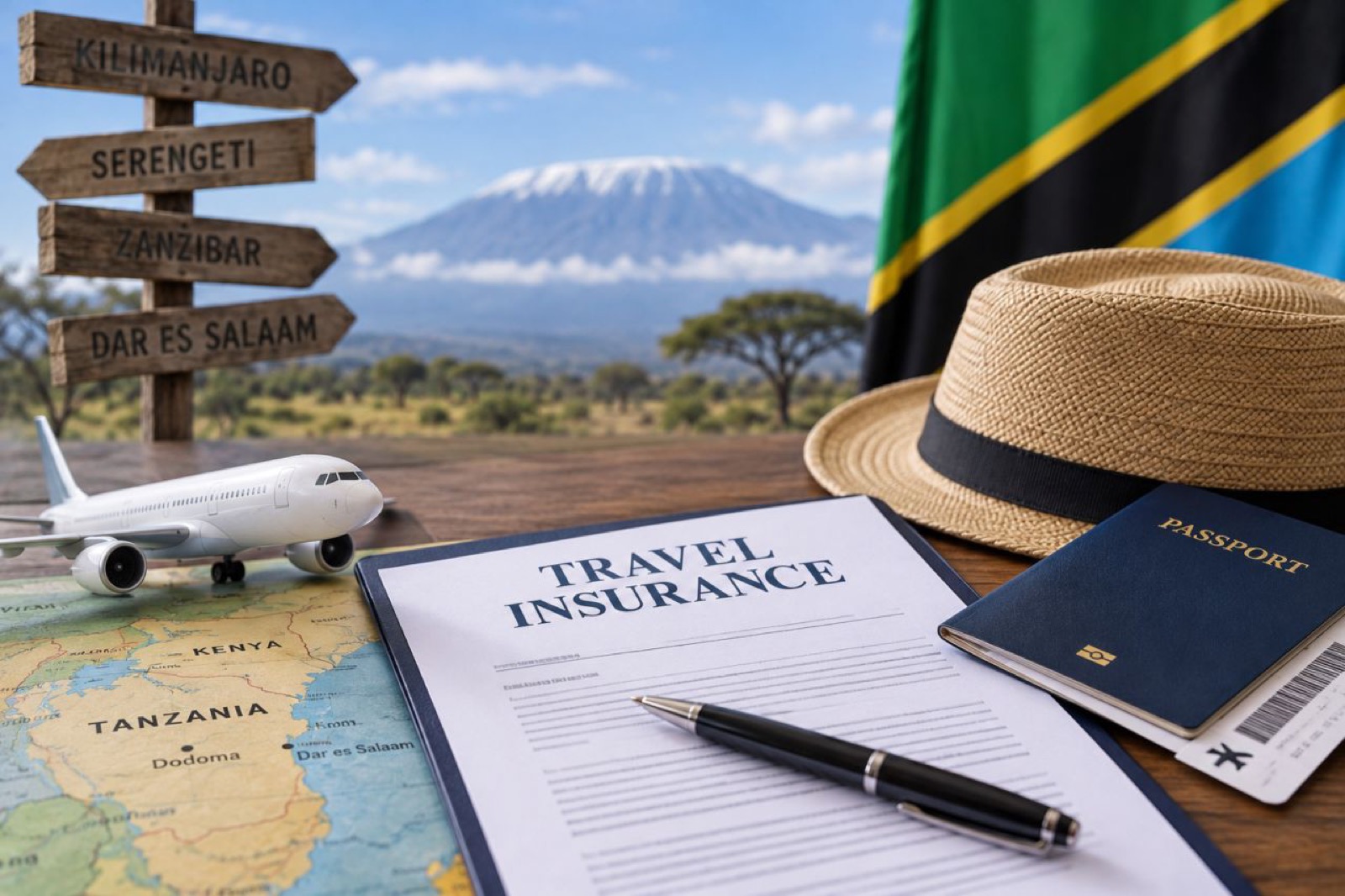
Travel Insurance
We strongly recommend that you have extensive travel insurance to cover you
for the duration of your trip. It is also wise to leave a copy of your insurance
policy with a friend or relative for safe keeping. Your policy should include
adequate Medical Emergency and Repatriation cover.
Tipping
Is often expected and relied upon. It is often more than a reward for services well
done. As wages can be low, it is an accepted means of supplementing an income.
If you would like to leave a tip for any activity/individual, a recommended amount
is usually 10% of your total bill and similar for activities.
Climate
In Tanzania, the year is loosely divided into the 'short' rains (November) and the
'long' rains (March to May). The 'rains' usually last for one or two hours each day
followed by hot sunny weather. Nights can be surprisingly cold at higher altitude
e.g. Ngorongoro Crater
What to Take to Tanzania
The less you take the less you have to pack. You can always pick up extras
along the way. Most people make the mistake of bringing too much. You will be
travelling in the heat and mornings / evenings can be cold, so bring clothes for
all climates; rough stuff is best.
Luggage
Choose a duffel bag or soft-sided bag. Ideally, the fabric should be hardy and
waterproof and the bag should be lockable. Put anything that is of any value in a
separate day pack such as a backpack. Anything of real sentimental or monetary
value should ideally be left at home.
Clothes
Pack for hot days and cool nights. Tanzania can be hot and dusty by day but it is
often cool and crisp by night. Layers are ideal for safari days. Pack clothing that is
able to keep you cool but protect you from the sun and biting insects. Choose midtone
colours and avoid white or bright colours that may distract the animals and
dark colours like black and blue as these can attract tsetse flies. The best colours
are the safari classics: olive, green and khaki. For evenings at lodges you can stay
in your casual gear as even the luxury lodges do not expect smart wear out in the
bush. Check the temperature before you travel to make sure you have clothing that
is warm enough for the season. It is always a good idea to bring a waterproof coat,
whatever the season.
Shoes
As you want to be careful not to over pack, you need to think carefully about
what shoes to take. As long as you are not going on a safari that requires a lot of
walking, you will be fine with some light hiking boots and some sports sandals
(sandals are also great for walking around the camp at night). You may also like
to take flip flops for the showers.
Sun Protection
The African sun can be brutal so be sure to bring a good pair of sunglasses so
you can protect your eyes. You’ll also need a hat that shades your face and covers
your ears and neck so you have maximum sun protection. Of course, take plenty
of high-protection sun cream and lip salve.
First aid. This is a suggested list of first aid supplies:
- Antiseptic ointment
- Antihistamine cream & tablets
- Nurofen or equivalent painkiller
- Eye-drops
- Anti-diarrhoea treatment
- A couple of bandages
- Medication for personal allergies/asthma etc
- Insect repellent containing Deet
- Rehydration sachets / vitamin tablets
- Assorted plasters
Photography & Electrical Equipment
We recommend you bring:
- Strong bag/carry case to protect the camera - zip lock/plastic bags are
useful for dusty/sandy conditions - Spare/extra batteries
- Memory/Storage media (2 x memory cards in case one gets corrupted)
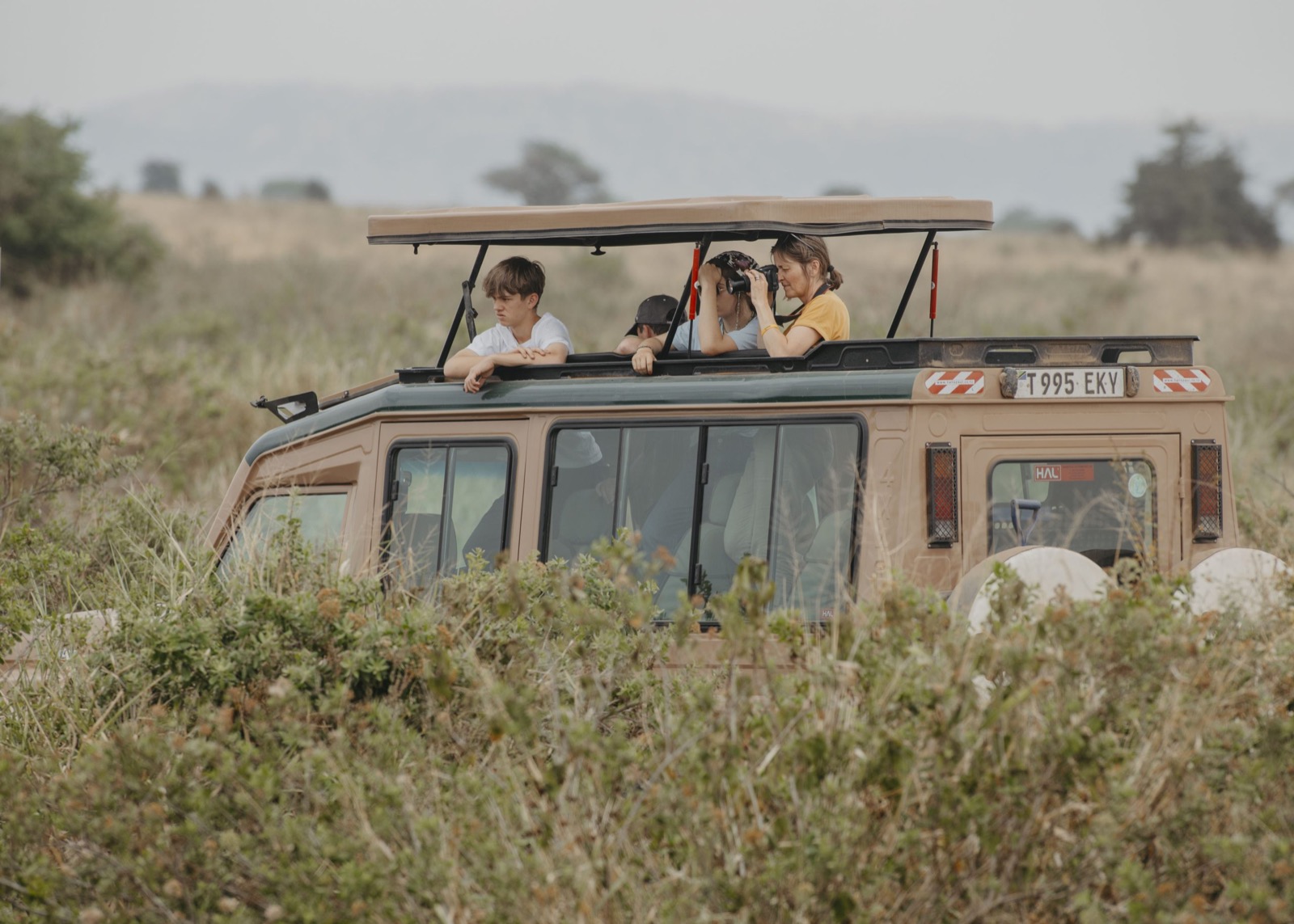
- Binoculars. These will be essential when you are out spotting wildlife
Photography
It is forbidden in Tanzania to take photos of anything military. Bridges, border
posts and airports are also sensitive, so be careful or be prepared to have your
film/camera confiscated. Please act with discretion and respect when taking photos
of people - it is always better to ask first before you snap away!
Electrical charging & power supply
All our safari vehicles have power / charging points. Please bring travel
adaptors to ensure they are suitable for your appliances / devices.
Phones / Wi-fi-Internet
- Most lodges and tented camps have wifi
- Some camp-sites have wifi, but this should not be relied upon
- The signal strength is variable
- It is possible to buy a SIM card with data that can be used. If you want to use
it in your phone, you will need to make sure it is unlocked. You can also buy
a fairly cheap phone in Tanzania for this purpose - There are Vodacom and Airtel shops in Arusha that will be able to help /
advise with this
Safety and Security
All towns and cities have their share of petty crime and sensible precautions need
to be taken. Wearing expensive looking jewellery/watches and carrying cameras,
will draw unnecessary attention. You may find a simple money belt is more
discrete than a bag. Always be aware of your surroundings and when approached
by people you do not know, use your common sense. At night in towns it's best to
use a taxi, rather than walking around the streets. Single women in particular need
to be careful & we suggest that it is safer to be in a group.
Tanzania Responsible Travel
Before you go to Tanzania!
- Remove unnecessary packaging before you go
- To avoid unnecessary pollution of local water supplies take
environmentally friendly toiletries with you - Why not invest in a wind-up or solar-powered torch or media player before
you travel? - Learn some of the local language and read up on the local history/culture
before you go - Why not pack some pens/pencils exercise books in your rucksack and
they can be donated to a local school or project while you're away. - These items can also be purchased locally and will help local
businesses - Take a sturdy water bottle with you from home that you can re-use
throughout your trip
While you're traveling
- Please don't waste water. It is a valuable and often scarce resource in
many of the areas we visit - Never buy endangered species or endangered habitat products. Apart
from the fact that it’s illegal, it also encourages the trade to continue - Buy locally made crafts and products helping to support the local economy
- Don't feel when bargaining that you have to get the cheapest price possible
just for the sake of it. Pay what the item is worth to you and don’t worry
about what someone else has paid - Try the local food and drinks - this will help to support local farmers and food
sellers - Dispose of litter appropriately on your trip. This includes cigarette butts.
Not only does litter look unsightly it can be lethal to wildlife
- When game viewing do not encourage your guides to get too close to the
wildlife so that their natural behavior is impeded - Respect local customs, traditions and beliefs of the people in the different
regions that you travel through - Do not take photos of people, ritual events or special places unless you have
asked first - Dress appropriately according to local codes and show respect
around religious festivals
Thank you for taking the time to read this information and we hope you will have a
fabulous trip to Tanzania!